


Las Hogueras de San Juan Alicante 2026
Are you planning to visit Alicante, or are you currently staying in the capital of the Costa Blanca? If so, a spectacular experience awaits you in June: Las Hogueras de San Juan.
This is Alicante’s most important festival, a week of impressive monuments, deafening fireworks and emotional ceremonies. Every year, from June 20 to 24, Alicante comes alive with lights, color, music and fireworks.
In this article you will discover everything you need to know about Las Hogueras de San Juan.
- To the highlights
- To the full program
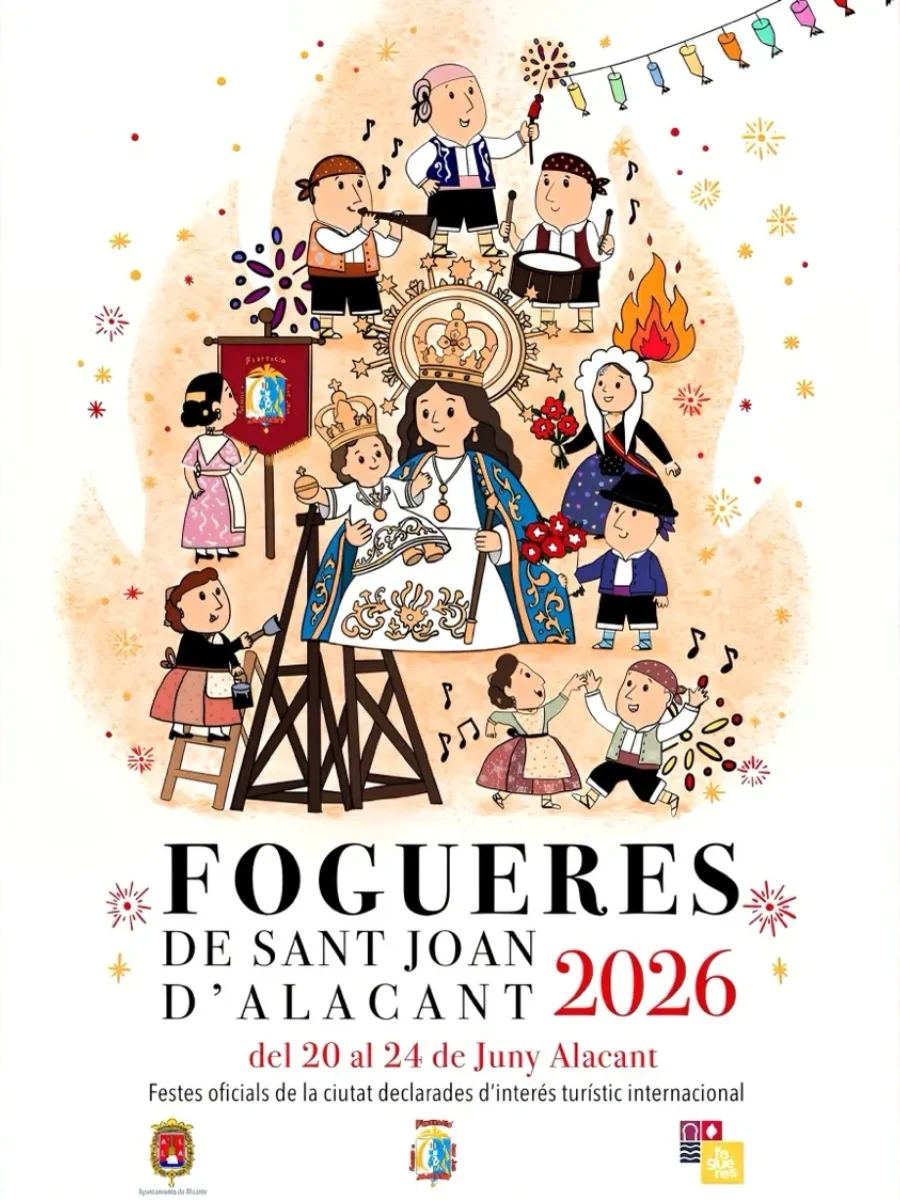
Announcement Las Hogueras de San Juan 2025 in Alicante
Table of contents
ToggleWhat is Las Hogueras de San Juan?
Las Hogueras de San Juan (Valencian: Les Fogueres de Sant Joan) is the official city festival of Alicante, declared a Festival of International Tourist Interest. It is celebrated in honor of Saint John the Baptist(San Juan) and marks the arrival of summer.
The festivities culminate during the week of June 20 to 24, culminating in the Nit de la Cremà (Night of the Burning) on June 24, when hundreds of artistic, ephemeral (ephemeral) monuments(hogueras or fogueres) are set ablaze. Read the full program later in this article.
Combining sculpture and painting, these impressive works of art can grow up to 12 meters tall and are built with materials such as wood and cork. The creations, divided into different categories based on their budget, are judged on their creativity by a panel of judges before being burned.
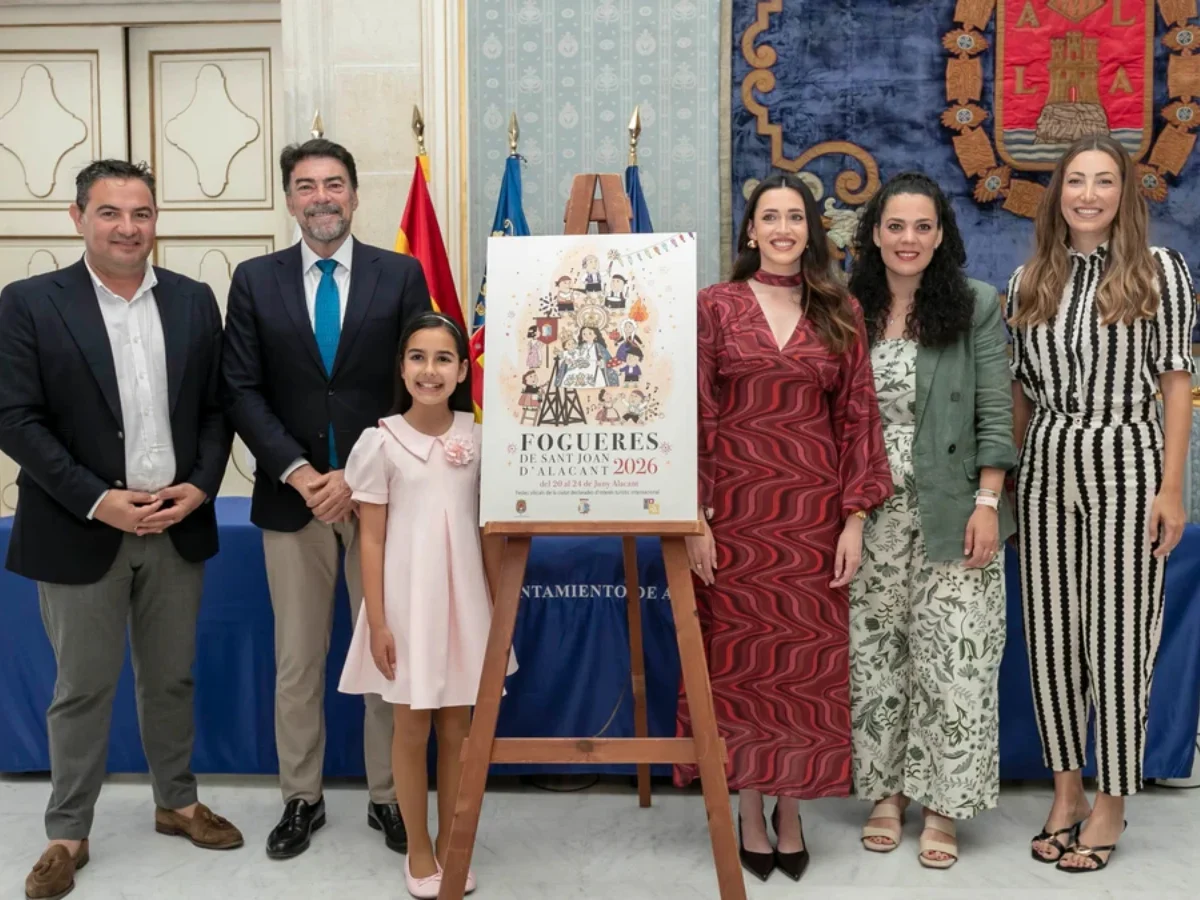
Origins and tradition: from bonfires to monumental art
The tradition of Las Hogueras has its origins in the ancient custom of lighting bonfires to celebrate the longest day of the year and ward off evil by burning unwanted objects.
In 1928, the celebration took its current, more organized and artistic form, inspired in part by Las Fallas in Valencia, but with its own character.
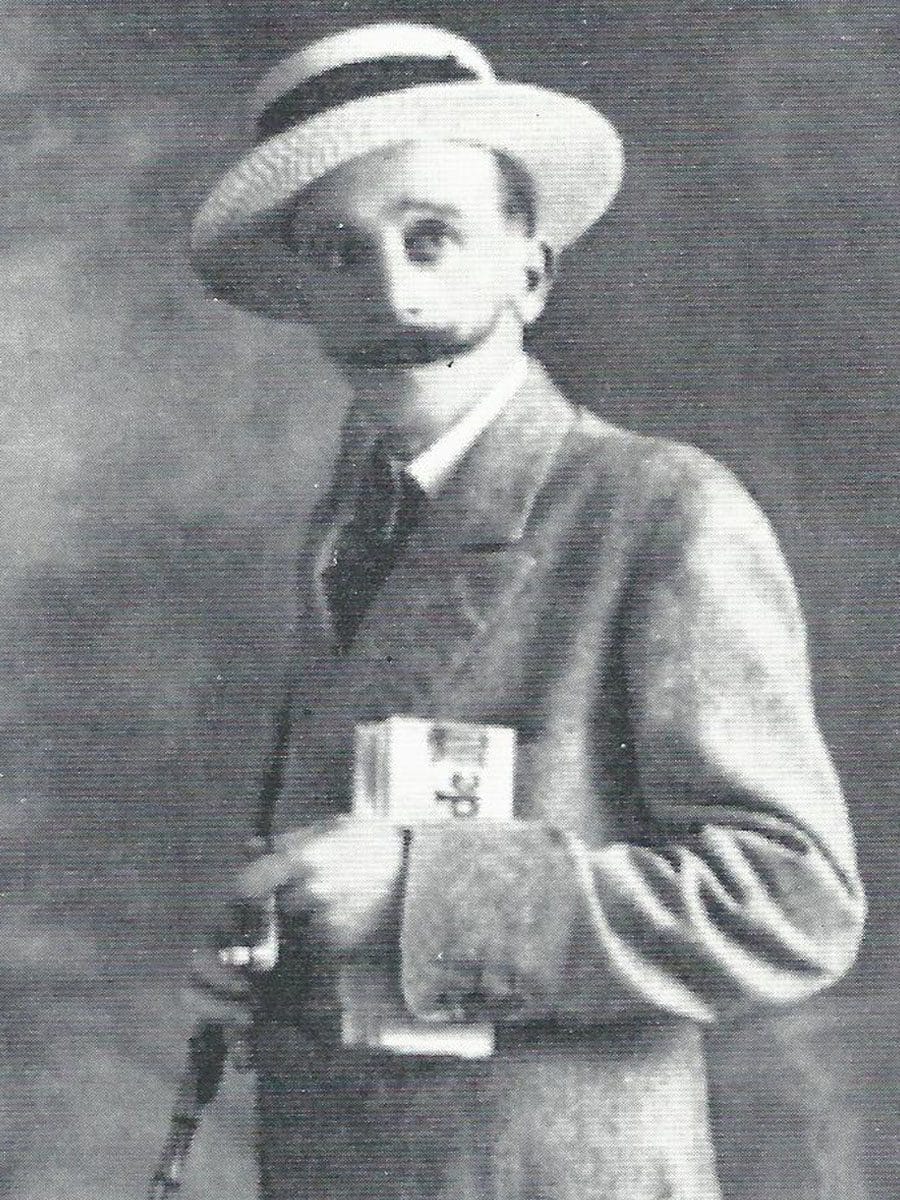
José María Py y Ramírez de Cartagena is considered an important promoter of this modern form. In fact, he was the initiator and founder of the festival Las Hogueras de San Juan.
After living in Valencia for 25 years and becoming familiar with the Fallas festival there, he moved to Alicante in 1922. In 1928, at a meeting of Alicante-Atraction, he proposed the organization of bonfires in Alicante, similar to those in Valencia, but called Hogueras and centered around the feast of San Juan.
He became the first chairman of the management committee in 1930. Despite his noble lineage (Baron of Rosta through his mother), Py was known for his enthusiasm, selflessness and modesty.
José died on March 15, 1932, but his legacy lives on; since 1942, a street in Alicante has been named after him in honor of his crucial role in the creation of the great Alicante Festival.

More than just bonfires
Las Hogueras is much more than just the burning of statues. It is a deeply rooted cultural phenomenon that revolves around community spirit, satire, art and the celebration of life.
Neighborhood associations(comisiones) work throughout the year to raise money and create their own hoguera and barraca (marquee). The monuments, made of wood and papier-mâché, are often satirical commentaries on current affairs, politics or local events.
The celebration symbolizes renewal: the old is burned to make way for the new. It is a week when the city buzzes with energy, music, color and togetherness.
The highlights of Las Hogueras
The week of Las Hogueras is full of events. Here are the absolute must-sees for this edition:
-
The “Pregón” (June 5): The official proclamation and opening of the fiesta from the balcony of the City Hall. After the festive opening parade, this event heralds the start of the city’s festivities, this year kicked off extra festively with a welcome party in the Zona Volvo;
-
La Plantà (June 19-20): On the night of Friday, June 19 to Saturday, June 20, all the monuments are officially built. The children’s monuments are there from midnight on the 19th, and the large adult works of art follow exactly 24 hours later. From then on, hundreds of colorful and often meter-high satires adorn the streets and squares;
-
Mascletás (June 18-24 at 2 p.m.): A deafening spectacle of popping fireworks in the Plaza de los Luceros. This year’s official competition concurs for no less than seven consecutive days. What matters here is not the colors, but the rhythm, the atmosphere and the sheer power of the explosions. In addition, early mascletás can already be admired at the malls on the weekend of June 7 and 13;
-
Ofrenda de Flores (June 21 and 22): Thousands of foguerers and barraquers march through the city in traditional costume in two consecutive evening sessions to offer flowers to the Virgen del Remedio (the patron saint of Alicante) at the San Nicolás Cathedral. The thousands of flowers combine to form a gigantic, colorful mosaic carpet;
-
Parades and Folklore: In addition to the flower offering, numerous traditional parades fill the streets:
-
Cabalgata del Ninot (June 6): a large and cheerful parade in which neighborhood associations walk along dressed in the theme of their own monument;
-
Nanos i Gegants (June 22, 23 and 24 at 1 p.m.): for centuries, these traditional dwarfs and giants with their large cardboard heads have been a permanent part of the festivities. They parade through the streets around the Rambla in the afternoon;
-
Dansà d’Alacant and International Folkloric Defile (June 23): On the evening of the 23rd, first the traditional Valencian dance(dansà) is performed around the Official Monument in the town hall square. This is immediately followed by a large international parade showcasing the rich culture and costumes of the region and host countries.
-
-
Nit de la Cremà (night of June 24-25): the absolute and spectacular highlight of the fiesta. Everything begins at the stroke of midnight (00:00) with the lighting of La Palmera: a monumental palm tree of white fireworks that illuminates the sky from the top of Mount Benacantil. Immediately afterwards, the official monument and then all the hundreds of other hogueras in the city are set ablaze. A unique and beloved part is the banyà (the bath), in which firefighters spray the jumping and cheering crowd wet for much-needed refreshment;
-
Fireworks party on the beach (June 25 to 29): once the monuments are reduced to ashes, the party is not over. For five nights, a spectacular fireworks competition erupts over the water at Playa del Cocó at 00:00. The festival concludes colorfully on Sunday, June 29, at 20:00 with the Desfile del Coso Multicolor, a joyous parade in which tons of confetti fly through the streets.
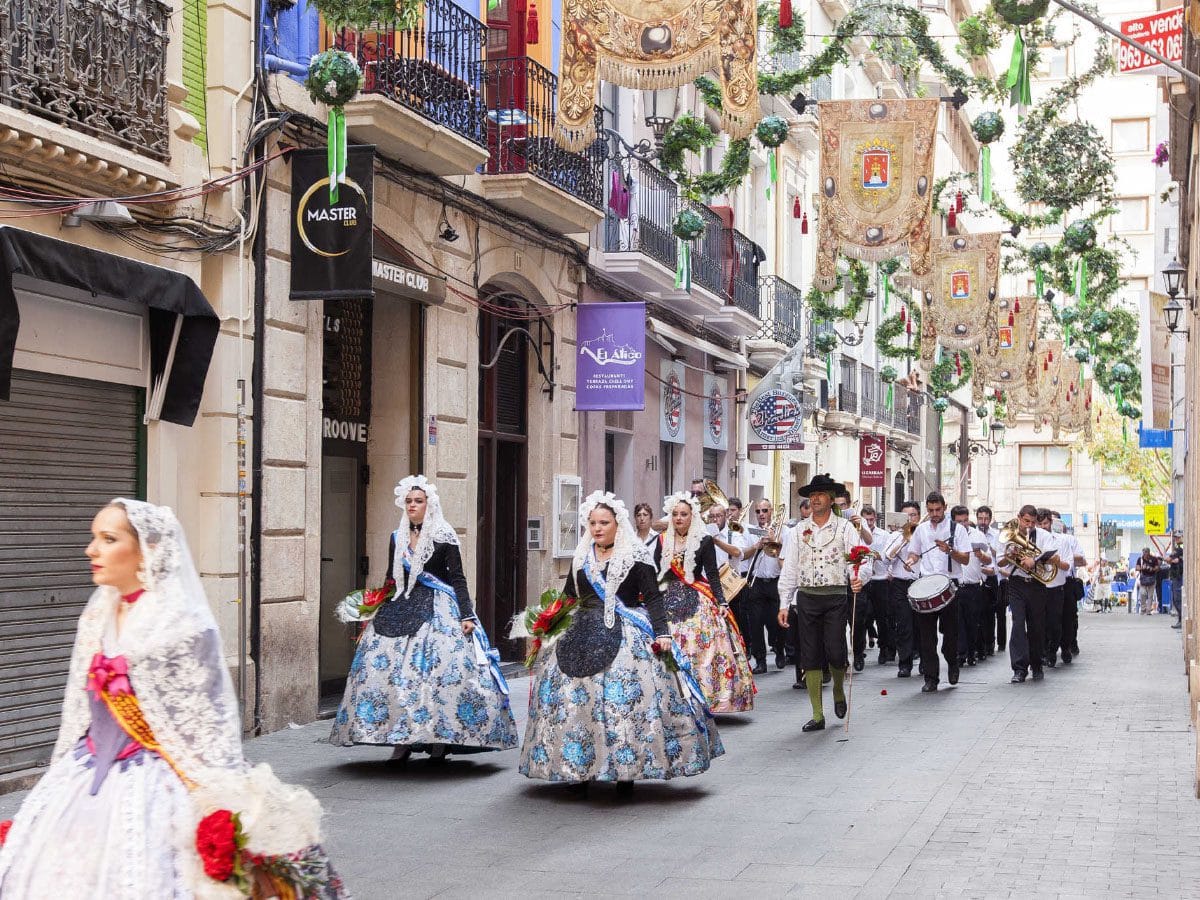
Traditional costume
The traditional costumes of the Hogueras de San Juan are a symbol of the tradition and splendor of these festivities in Alicante, showcasing the city’s rich cultural heritage and deep-rooted traditions.
- The Belleas del Foc (beauties of the fire) embody the spirit of the festival through their Valencian costumes. These include voluminous skirts, elaborate jewelry and traditional hairstyles that emphasize their central role in the festivities;
- Foguerer and Foguerera costumes: the representatives of each hoguera (bonfire group) wear traditional regional attire. Men wear close-fitting pants called zaragüelles, combined with a shirt, sash and embroidered vest. Women wear wide, flowing skirts known as faldas de fallera, along with a blouse, scarf or cape, and traditional hair accessories. This clothing serves as a symbol of pride and identity for Alicante residents.
Las Hogueras versus Las Fallas
Las Hogueras are often compared to Valencia’ s Las Fallas, and there are certainly similarities. Both celebrations revolve around the building and burning of monumental works of art(ninots), impressive fireworks, and tremendous community involvement.
The main differences are in the timing(Hogueras in June, Fallas in March), the name of the monuments and some specific traditions. The Bellea del Foc (Beauty of Fire) is the queen of the fiesta in Alicante, while Valencia has its Fallera Mayor.
The atmosphere in June, with the summer sun, also gives Las Hoguerasits own, warmer character, making, for example, the banyà during the Cremà possible and popular. Although inspired by Valencia, Alicante has developed its own proud festival.
Jumping over bonfires
Another beloved tradition inseparable from the Noche de San Juan (the night of June 23-24) and also alive in Alicante is jumping over bonfires.
Although, of course, one cannot cross the meter-high, burning monumental hogueras in the city, many residents and visitors flock to the beaches, such as Postiguet and San Juan Playa. There they create smaller, proprietary fires over which, they jump (often three or seven times). This provides purification, happiness and the warding off evil.

Where and how do you experience Las Hogueras?
Las Hogueras takes place throughout the city of Alicante, but most of the major monuments and events are concentrated in the center.
- Monuments: hogueras (works of art made of papier-mâché) are scattered on streets and squares in the center and neighborhoods of Alicante. You can admire them everywhere while walking through the city;
- Barracas and Racós: these marquees and eating/drinking spots can be found in the various neighborhoods, usually near the hoguera monuments of the neighborhood associations. Sample the atmosphere at the public racós or accessible barracas (often later in the evening), or enjoy the fun from the street;
- Ofrenda de Flores: a floral procession passes through the center and ends at a large altar of flowers (often at the Concatedral de San Nicolás). Look along the route in the center or admire the end result at the altar;
- Mascletàs: these popping fireworks shows take place daily (usually around 2 p.m.) in the central Plaza de los Luceros. Be there early in/around the plaza for a good spot to watch and feel.
Most events are free to attend and view from the street.
Why are Las Hogueras so special?
- International recognition: it has been declared a Festival of International Tourist Interest, underscoring its cultural value and appeal;
- Living heritage: it is a tradition passed down from generation to generation, with young people learning the art of building hogueras and its rituals;
- Spectacular art: the hogueras are often true works of art, requiring months of preparation by specialized artists(artistes foguerers);
- Community spirit: it brings the whole city together in a collective celebration.
For lovers of culture, art, tradition and a good party, Las Hogueras is an absolute must.
Fine dining in Alicante, restaurant tips
Las Hogueras de San Juan is also a good time to try Alicante’s local cuisine. Typical dishes eaten during the fiesta include coca amb tonyina (a savory pie with tuna, onion and pine nuts) and bacores (early figs).
Tip: check out a list of the best restaurants in Alicante here
In addition, the city’s many restaurants and tapas bars serve other local specialties. Popular are rice dishes (such as arroz a banda or paella), fresh fish and seafood, and local wines.
Las Hogueras de San Juan is an important cultural festival for Alicante. It is known for the large, homemade monuments, the loud banging fireworks shows(mascletàs) and the special night when these monuments are burned (the Cremà).
This celebration celebrates the community, local art, traditions and the beginning of summer. The combination of the fireworks, ceremonies and general atmosphere make a visit to Alicante during Las Hogueras a special experience.
Atmosphere impression of Las Hogueras de San Juan
Full program Las Hogueras de San Juan
Below is the detailed program for Las Hogueras de San Juan in Alicante 2026:
Friday, June 5
-
18:30 – Música per a una Festa (Music for a Feast) in the parking lot of the ADDA (Auditorium of the Province of Alicante);
-
19:00 – Homage to the deceased Foguerers and Barraquers (partygoers/builders) in the Plaza de España, in front of the Monument al Foguerer;
-
19:33 – Desfile del Pregón (Opening Parade). Route: Calle de San Vicente, Rambla de Méndez Núñez, Rafael Altamira and Plaza del Ayuntamiento;
-
21:00 – Official opening speech (Pregón) from the balcony of City Hall. This is the official start of the city’s festivities;
-
23:00 – Opening party and welcome to the Hogueras in the Zona Volvo.
Saturday, June 6
-
19:00 – Cabalgata del Ninot (Parade of the Party Dolls). The different neighborhood associations walk along dressed in the theme of their own monument. Route: Alfonso el Sabio, Rambla de Méndez Núñez, Rafael Altamira and Plaza del Ayuntamiento.
Sunday, June 7
-
14:00 – Mascletá (Popping Fireworks Spectacle) on the outside of the mall.
Saturday, June 13
-
14:00 – Mascletá in Gran Vía shopping center;
-
18:30 – Entry of marching bands and parade of associations. Route: Plaza de los Luceros, Alfonso X El Sabio, Rambla de Méndez Núñez, Calle Altamira and Plaza del Ayuntamiento.
Sunday, June 14
-
17:00 – Closing of the Exposición del Ninot (Exhibition of Party Dolls) in the old fish mine (Lonja de Pescado) and counting of votes to determine the Ninot Indultat (the doll saved from burning).
Tuesday, June 16
-
23:00 – Arribada del Foc (Arrival of the Fire) at El Corte Inglés. A show with lights, sound and pyrotechnics provided by Pirotecnia Hermanos Sirvent.
Thursday, June 18
-
14:00 – 1st session of the Mascletás competition at Plaza de los Luceros;
-
21:00 – Inauguration of the Mercadito de Fogueres (party market) on Federico Soto’s Men’s Road.
Friday, June 19
-
14:00 – 2nd session of the Mascletás competition at Plaza de los Luceros;
-
00:00 – Plantà Oficial (the official construction) of the children’s monuments (Hogueras Infantiles) and the street puppets (ninots de carrer).
Saturday, June 20
-
09:00 – Jury tour of the children’s monuments and street puppets;
-
14:00 – 3rd session of the Mascletás competition at Plaza de los Luceros (by Pirotecnia Ferrández);
-
17:00 – Announcement of awards for the children’s monuments and street dolls;
-
17:30 – Official visit to the winning children’s monument in the special category;
-
20:30 – Inauguration of the Barracas and Racós (marquees/streets). Traditional eating of Coca amb tonyina i bacores (tuna cake and figs);
-
00:00 – Plantà Oficial (official construction) of the major monuments and the Barracas.
Sunday, June 21
-
09:00 – Jury tour of major monuments, Barracas entrances and decorated streets;
-
14:00 – 4th session of the Mascletás competition at Plaza de los Luceros (by Pirotecnia Alto Palancia);
-
17:00 – Announcement of awards for major monuments, marquee entrances and decorated streets;
-
17:30 – Official visit to the winning monument of the first prize in the special category;
-
18:00 – 1st session of the Flower Offering (Ofrenda de Flores) to the Virgin del Remedio. Route: Alfonso El Sabio, Rambla de Méndez Núñez, Calle San José, Concatedral, San Nicolás, Rafael Altamira and Plaza del Ayuntamiento;
-
22:00 – Street parties (Verbenas) in the Barracas and Racós.
Monday, June 22
-
11:00 – Procession for the awards ceremony. Route: From Plaza del Ayuntamiento to the official grandstand on the Rambla;
-
13:00 – Colla de Nanos i Gegants (Parade of traditional giants and big heads). Route: Calle Altamira, Rambla and Alfonso X El Sabio;
-
14:00 – 5th session of the Mascletás competition at Plaza de los Luceros (by Pirotecnia Fuegos Artificiales del Mediterráneo);
-
18:00 – 2nd session of the Flower Offering (Ofrenda de Flores). Same route as on Sunday;
-
22:00 – Street parties (Verbenas) in the Barracas and Racós.
Tuesday, June 23
-
12:00 – Prize-giving ceremony of the Flower Offering at the Mercadito de Fogueres (Federico Soto);
-
13:00 – Colla de Nanos i Gegants. Route: Calle Altamira, Rambla and Alfonso X El Sabio;
-
14:00 – 6th session of the Mascletás competition at Plaza de los Luceros (by Pirotecnia Hermanos Ferrández);
-
19:00 – Dansà d’Alacant (traditional dance) around the Official Monument in the Plaza del Ayuntamiento;
-
20:00 – International Folkloric Parade. A parade featuring culture and traditions of the region of Valencia and other invited regions/countries. Route: Alfonso El Sabio, Rambla de Méndez Núñez, Rafael Altamira and Plaza del Ayuntamiento;
-
22:00 – Street parties (Verbenas) in the Barracas and Racós.
Wednesday, June 24 (San Juan)
-
13:00 – Colla de Nanos i Gegants. Route: Calle Altamira, Rambla and Alfonso X El Sabio;
-
14:00 – 7th and final session of the Mascletás competition at Plaza de los Luceros (by Hermanos Sirvent);
-
20:00 – Official Mass at the Cathedral of St. Nicholas Cocon (Concatedral de San Nicolás);
-
22:00 – Street parties (Verbenas) in the Barracas and Racós;
-
00:00 – La Nit de la Cremà (The Night of Burning). It begins with the firing of the monumental fireworks palm (La Palmera) from the top of Mount Benacantil (by Pirotecnia Hermanos Ferrández). Immediately after, the burning of the Official Monument in the Plaza del Ayuntamiento begins, followed by the burning of all other monuments in the city’s neighborhoods.
June 25 to 29
-
00:00 (every night) – Fireworks competition on Playa del Cocó beach.
-
Wednesday, June 25: 1st session
-
Thursday, June 26: 2nd session
-
Friday, June 27: 3rd session
-
Saturday, June 28: 4th session
-
Sunday, June 29: 5th session
-
-
Sunday, June 29 at 20:00 – Prior to the final fireworks show, the Desfile del Coso Multicolor takes place: a festive parade of floats throwing tons of colored confetti. Route: Plaza de los Luceros and Avenida de Alfonso X el Sabio.
Glossary of Festival Terms
- Hoguera: literally: bonfire
- A large, artistic monument made of wood and papier-mâché depicting a satirical or allegorical theme;
- Ninot: a loose doll or figure that is part of a Hoguera. Through a public vote, one Ninot is saved from burning, the Ninot Indultat;
- Mascletà: a deafening daytime fireworks spectacle centered on the rhythm and buildup of explosions;
- Plantà: literally: planting
- The night when the great Hogueras are officially built and completed in the plazas and intersections.
- Cremà: literally: the combustion
- The spectacular conclusion on June 24, where all the Hogueras in the city go up in flames.
- Barraca / Racó: a type of marquee or open-air community center of an association, where members and guests eat, drink and party;
- Cabalgata: a parade or procession;
- Ofrenda de Flores: an emotional ceremony in which thousands of people in traditional costumes offer flowers to the Virgin of Remedy, the city’s patron saint;
- Nanos i Gegants: a parade of giant dolls and “big-headed” dolls with huge heads;
- Palmera: literally: palm tree
- A gigantic white fireworks arrow set off from Castle Mountain as the starting signal for the Cremà.
More tips for your visit to Alicante
Relevant articles
794 Blue Flags for Spain in 2026. See the number of flags for the Costa Blanca and which locations retain their top status.
The Costa Blanca celebrates Valencian Community Day (Día de la Comunidad Valenciana) on Oct. 9 with processions and fireworks and the Mocadorà.

Discover the Mercado Central in Alicante. Visit this historic market hall: browse the hundreds of stalls full of fresh produce and then walk to the Plaza de las Flores, a cozy little square full of colorful flowers and terraces.
Updated on:
27 May 2026
Page updated on: 27 May 2026
Comments on this article:

Your signpost on the Costa Blanca
Hi! My name is Rick, initiator of Pure Costa Blanca and the free App. Since 2015 I can be found on the Costa Blanca on a monthly basis.
With this online platform I make as much as possible relevant information and tips about places on the Costa Blanca insightful and clear. The texts are exclusively written by myself. The photos and videos are made by me.
Learn more about collaborative opportunities.