
Costa Blanca Things to do, a complete & up-to-date guide
What to do on the Costa Blanca? Rugged natural parks with challenging hiking trails alternate with ancient castles overlooking the azure Mediterranean Sea.
The region is known for its many boulevards(Paseos), cozy old centers(Cascos Antiguos) and authentic weekly markets(Mercados).

Brief summary
An overview of the most extraordinary activities and things to do on the Costa Blanca.
Read all about the Peñon de Ifach in Calpe, the castle in Alicante, the old town of Altea, the waterfalls in Algar and many more special places.
Page layout:
- Top highlights
- Highlights by location
- Question & Answer
- Pure Costa Blanca app


Author: Rick, more than 10 years active on the Costa Blanca. These texts are written from my own experiences and based on current sources.
Page updated on: 24 April 2026
Table of contents
ToggleTop 10 highlights on the Costa Blanca
1. Climb the Peñon de Ifach in Calpe
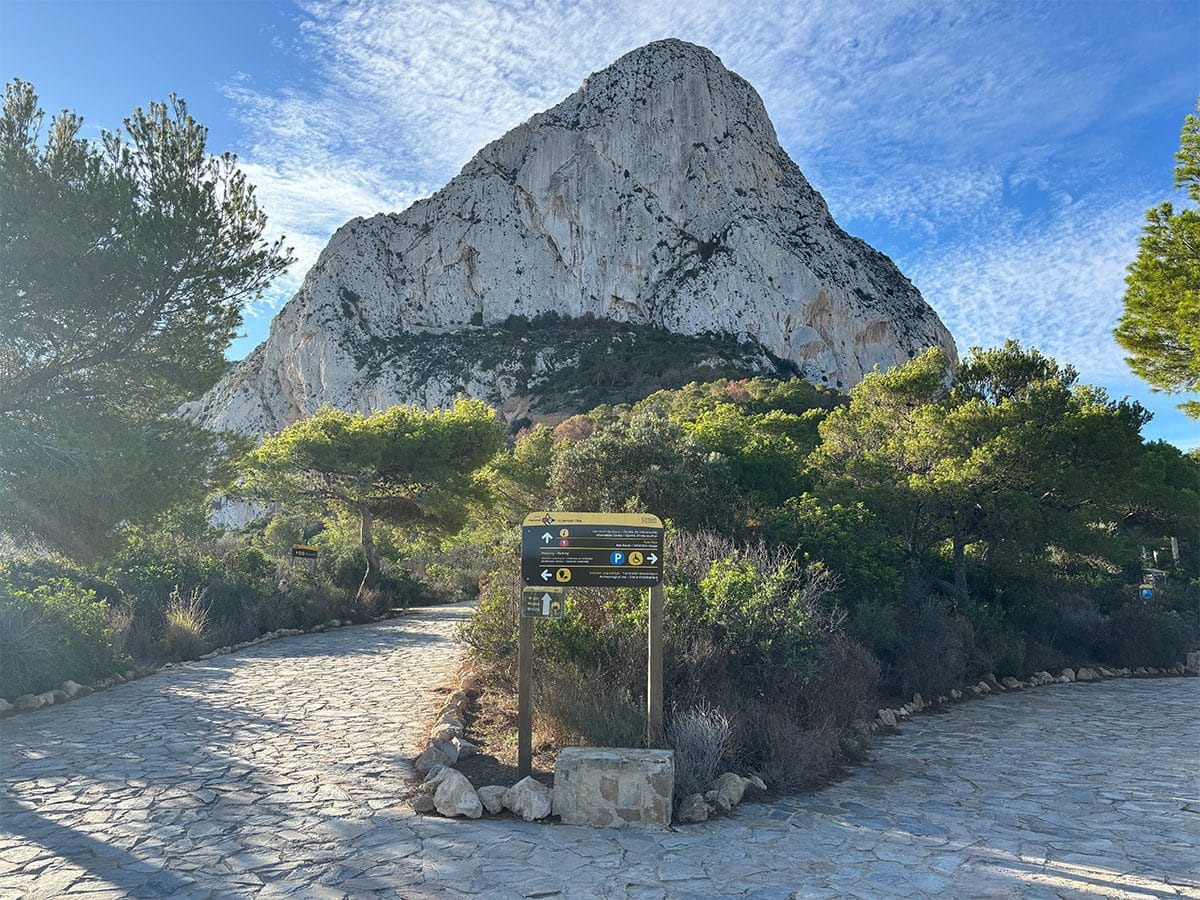
The Peñón de Ifach is a 332-meter-high limestone rock that defines Calpe’s skyline. You hike along a mountain path and climb through a narrow tunnel and the rocks to the top.
This natural park is the habitat of many rare plants and several species of birds. From the summit you have a sweeping view of the coastline and surrounding mountains.
Tip: Read more about the Peñon de Ifach
2. Visit Castillo de Santa Bárbara
Atop the summit of Monte Benacantil you will find this historic castle. This location (at an altitude of 166 meters ) offers a spectacular 360-degree panoramic view of the city and the Mediterranean Sea.
It is among the largest fortifications in Spain and served over the centuries as a crucial defensive structure for Alicante.
You can reach the fortress by walking along the landscaped walkways or by taking the elevator which is located opposite the beach of Postiguet.
Tip: Learn more about the castle in Alicante

3. Visit the palm garden of Elche – UNESCO World Heritage Site
On a walk through the Palmeral de Elche, you’ll traverse Europe’s most extensive palm forest, home to more than 200,000 date palms.
This special area was declared a World Heritage Site by UNESCO in the year 2000 and serves as evidence of the ingenious agricultural methods of the Moorish period.
On the route you will pass antique irrigation systems and pass highlights such as the Huerto del Cura, home to the famous 175-year-old Imperial Palm.
Tip: Read more about the palm garden in Elche

4. Walk along the waterfalls of Algar
The Waterfalls of Algar(Fonts de l’Algar) are a natural paradise in the hinterland, where the Algar River has created a series of waterfalls and clear pools of water.
During a 1.5-kilometer walk along the landscaped path, you will pass several waterfalls and natural pools. With wooden steps and bridges, the beautiful rocks and green surroundings are easy for everyone to visit.
With plenty of shade and cold water, this is the perfect place to cool off on a hot day.
Tip: Read more about the Algar waterfalls

5. Visit the old center of Altea
Altea’s old town center, the Casco Antiguo, is a charming maze of narrow alleys running up between the characteristic white houses.
Throughout this part of town you will come across charming little squares, with the Plaza de la Iglesia as the central hub. This square is also where the parish church Nuestra Señora del Consuelo, with its famous blue domes, is the icon of Altea.
While walking along the steps and slopes, you will pass numerous cozy corners and viewpoints where you can enjoy stunning panoramic views of the Mediterranean Sea.
Tip: Read more about the things to do in Altea

Example advertisement
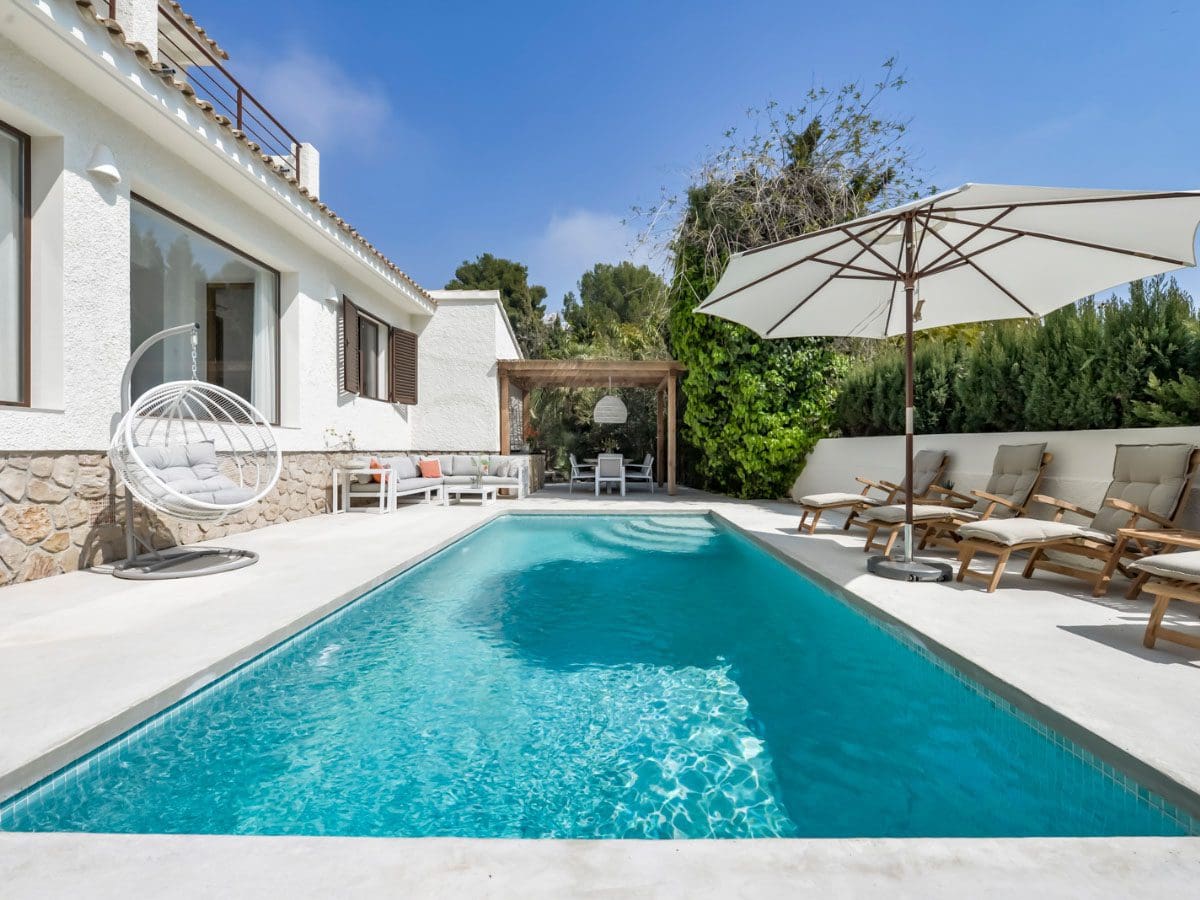
Your holiday home in the spotlight? 📸
You get an exclusive position which makes you stand out immediately. Build trust with thousands of Dutch-speaking holidaymakers who are specifically looking for a holiday stay in Albir.
6. Visit the mountain village of El Castell de Guadalest
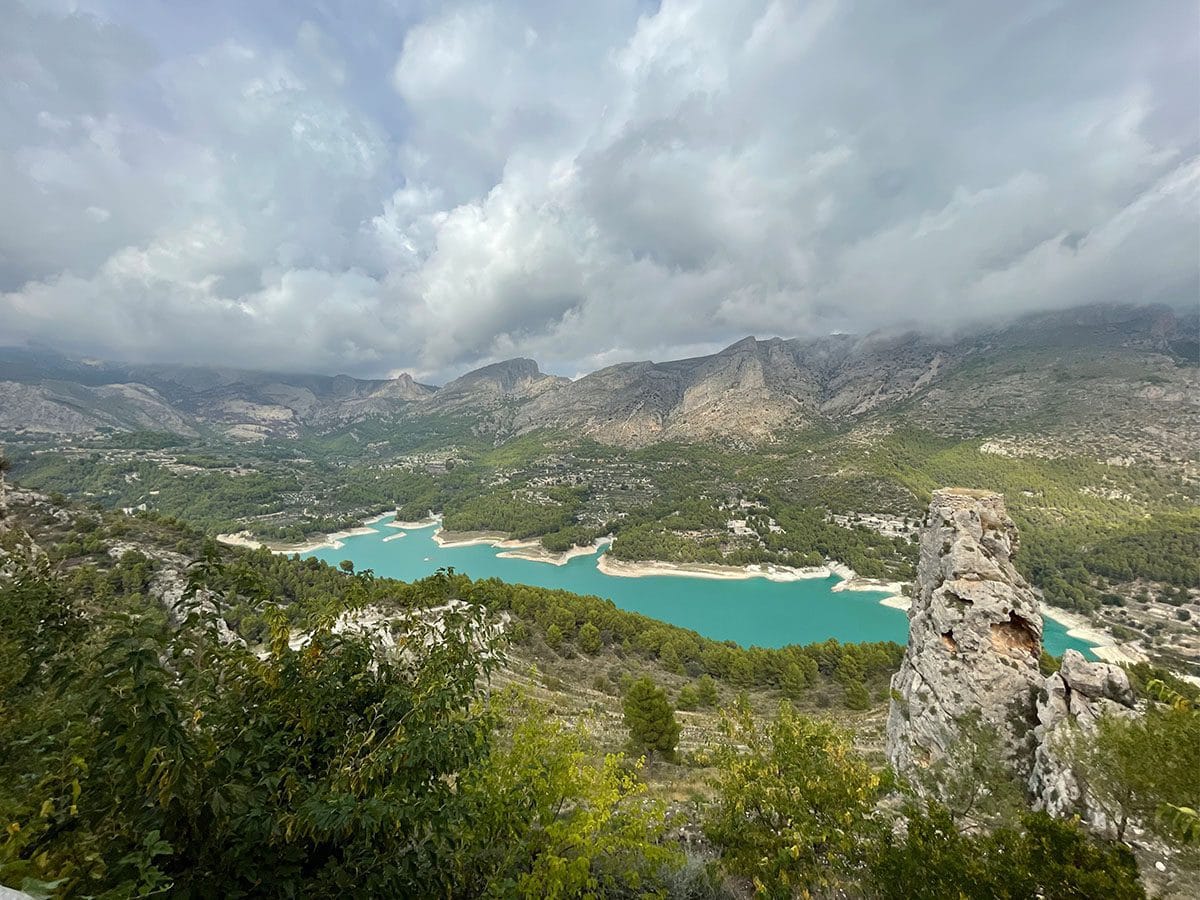
The mountain village El Castell de Guadalest sits spectacularly atop a steep rock and is accessed through a carved rock gate. In this car-free center, stroll through atmospheric streets full of history and small museums.
From the remains of the castle of San José, you can enjoy sweeping views of the azure reservoir and mountains. The combination of its special location and medieval atmosphere makes this one of the most unique places in the region.
Tip: Read more about things to do in Guadalest
7. Visit The Ocean Race Museum in Alicante
Located in the port of Alicante you will find this museum entirely dedicated to the famous sailing race around the world. Since the city has been the official starting place of this race since 2008, Alicante is the ideal location for this center.
Within the walls of the museum, you will discover all about the challenging life on the ocean, the innovative technology behind racing yachts and the need for ocean conservation.
The permanent exhibits, which survey half a century of racing history, are open to the public free of charge.
For an even more intense experience, you can participate in additional activities for a fee, such as a simulator that simulates forces at sea or a tour of the original race boat Brasil 1.
Tip: Read more about The Ocean Race Museum Alicante

8. Visit chocolate museum Valor
At Valor’ s chocolate museum you will discover the rich history of chocolate production in Villajoyosa. The museum is housed in an authentic 19th-century mansion, located right next to the current factory.
A visit to this location takes you through the origins of the cocoa bean and shows the historic machines that were once indispensable in the production process.
The extensive collection of objects charts the growth of this family business since the year 1881. In the various rooms, you will see step by step how the techniques for grinding and mixing chocolate have improved over the years.
At the conclusion of the tour, you will have a chance to taste various chocolates and have a look at the accompanying store.

9. Walk to the lighthouse in Albir
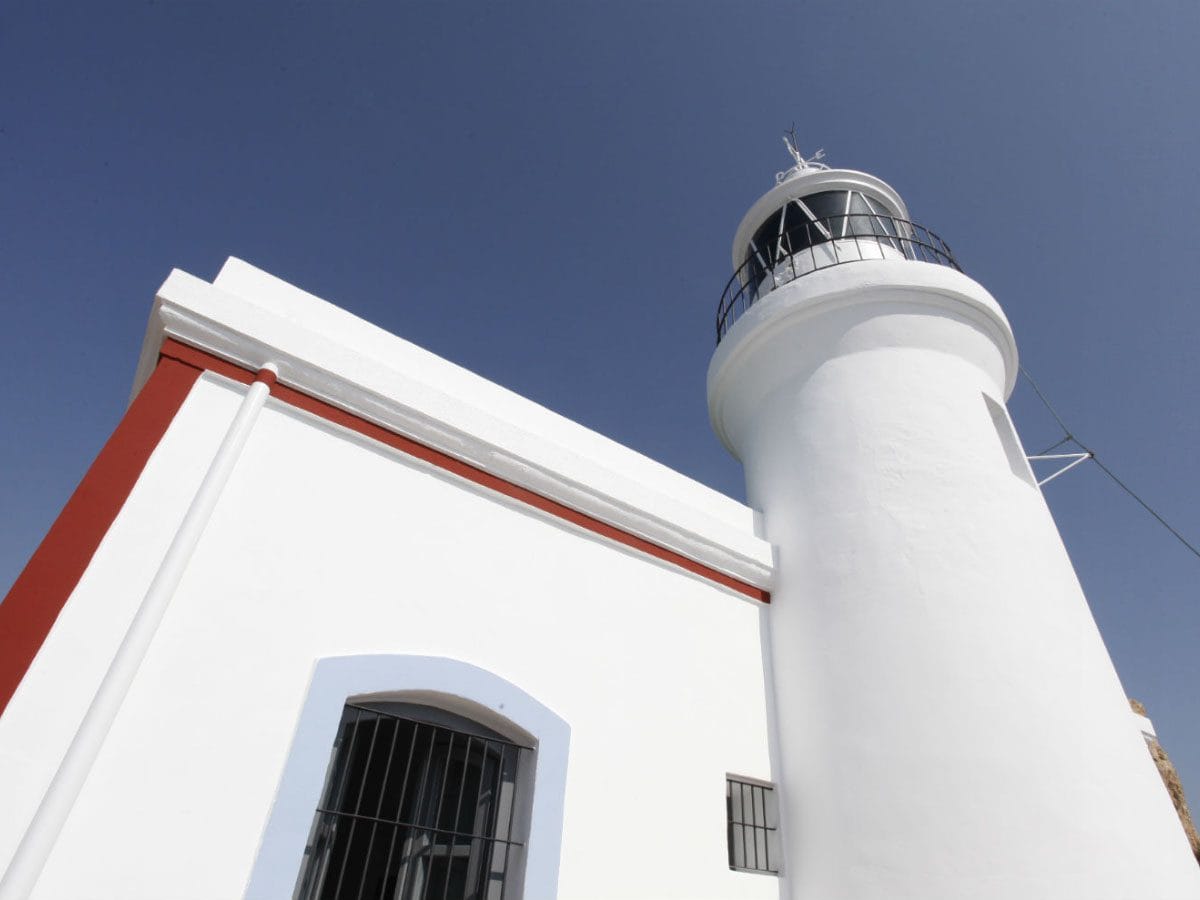
This 5-kilometer walk takes you along a paved path to the Faro del Albir, in the middle of the protected natural area of Sierra Helada.
During the tour, you’ll be treated to sweeping panoramas of Altea Bay and pass interesting things to do, including a former ochre mine and the information center in the lighthouse.
With its excellent walkability, the trail is an ideal blend of culture and nature for those seeking an active morning or afternoon by the sea.
Tip: Read more about the Albir lighthouse
10. Visit the Open Air Museum in Albir
Visit the Museo al Aire Libre Villa Romana de l’Albir. This open-air museum displays the remains of an ancient Roman villa and offers an interesting insight into the history of the region.
Here you will learn about the ritual of bathing in hot springs built more than fifteen hundred years ago. Nowadays, excavations continue every year, making the museum ever expanding.
The museum is free to visit and it is even possible to watch a short 3D film.

11. Visit the markets on the Costa Blanca
Weekly markets are the beating heart of social life on the Costa Blanca. On fixed days in almost every village or town, you will find a colorful collection of stalls where locals and tourists gather.
At these markets you will discover a huge range of fresh local produce, from oranges and olives to artisan cheeses and leather goods. It is the ideal place to taste the authentic Spanish atmosphere and find unique souvenirs.
Most markets open early in the morning and last until early afternoon, after which life moves to the surrounding terraces.

Costa Blanca highlights by place

Albir
Albir is a quiet seaside resort with a long promenade with some nice restaurants.
Take a walk to the lighthouse or visit the open-air museum with Roman ruins.

Alicante
Alicante is a vibrant city with a rich history.
Visit the Santa Bárbara Castle and view the city from a great height.
Stroll along the famous boulevard or explore the old Santa Cruz district.


Benidorm
Benidorm is a city with many faces and an impressive skyline.
You will find wide sandy beaches and a lively nightlife.
Visit the Balcón del Mediterráneo for stunning views of the bay.

Benissa
Benissa combines a historic center with a rugged coastline.
Explore the village’s medieval streets and grand cathedral.
Follow the ecological hiking trail along the many bays and cliffs.

Calpe
Calpe immediately stands out because of the large rock protruding from the sea.
The city has a fishing port and extensive sandy beaches.
Visit the salt lake downtown to see flamingos.


Elche
Elche is known for its large amount of palm trees.
The city park and historic gardens are a UNESCO World Heritage Site.
Visit the basilica and discover history in the museums.
Guadalest
Guadalest is a mountain village situated on the rocks.
You will find a castle surrounded by several souvenir shops and small museums. Enjoy the view of the blue reservoir in the valley.

Jalón
Jalón has a characteristic village center, a weekly antique market and extensive vineyards.
The surrounding mountains and valley offer expansive views of the interior.

Jávea
Jávea has a port, a historic center and a sandy beach.
The cliffs and capes offer beautiful viewpoints over the sea. Explore the bays with clear waters.

Moraira
Moraira is a coastal town with a modern marina.
The center is compact and has stores and restaurants.
Visit the beachfront castle for a historical view of the region.

Pilar de la Horadada
Pilar de la Horadada is the southernmost municipality in the region.
The place has sandy beaches and a watchtower from the 16th century.
Explore the natural areas and golf courses nearby.

Santa Pola
Santa Pola is a fishing town with a castle-fortress in the center.
Visit the salt lakes for bird and flamingo spotting.
From the port, the boat leaves for the island of Tabarca.

Torrevieja
Torrevieja is known for its pink lakes and salt mining.
The city has a long promenade and floating museums in the harbor.
Explore natural swimming opportunities along the coast.

Villajoyosa
Villajoyosa stands out for its colorful fishermen’s houses on the coast.
The city has a long history of chocolate production. Visit the chocolate factories or relax on the wide sandy beach.
Which Things to do suit you? Choice Guide
With so many options in the region, it can be hard to choose. Find out which Things to do match your interests here:
-
For the culture enthusiast:
-
Historic castles: castle of Santa Bárbara(Alicante) and the castle of Dénia;
-
Unique architecture: the blue domes in Altea and La Muralla Roja in Calpe;
-
World Heritage Site: the palm gardens in Elche.
-
-
For the nature lover:
-
Views: the rock Peñón de Ifach(Calpe) and the cliffs at Benitachell;
-
Hiking: natural park Sierra Helada and the route to the lighthouse in Albir;
-
Water: the waterfalls of Algar and the pink lake in Torrevieja.
-
-
For families:
-
Educational: the Roman villa in Albir and the museums in the port of Torrevieja;
-
Sailing: a crossing to the island of Tabarca from Santa Pola or Alicante.
The different types of things to do
-
Historic fortresses: castle ruins and defense towers all along the coastline;
-
Natural parks: protected natural areas with marked hiking trails and local flora;
-
Traditional villages: white inland towns with narrow streets and squares;
-
Museums and art: galleries and museums about local industries such as chocolate or salt;
-
Religious heritage: ancient churches, basilicas and cathedrals with their own architectural style.
General tips for your visit to Things to do
Please consider the following advice for a pleasant visit to the various locations:
-
Reserve tickets in advance: for popular spots such as the Peñón de Ifach, reservations are required;
-
Wear good shoes: many sites have uneven paths or steep inclines;
-
Check opening hours: museums and castles often have lunch breaks during the hottest hours;
-
Transportation: some mountain villages are more accessible by car than by public transportation;
-
Water and sun: bring plenty of drinking water and protect yourself from the sun during hikes.
Question & answer (FAQ)
Welke soorten landschappen bepalen de bezienswaardigheden aan de Costa Blanca?
De belangrijkste bezienswaardigheden aan de Costa Blanca zijn verdeeld over de kuststrook en het bergachtige achterland. Aan de kust vind je voornamelijk zandstranden, kliffen en kalkstenen rotsen die uit de zee steken. Het binnenland kenmerkt zich door valleien met landbouw en steile bergen met dorpen die tegen rotswanden zijn gebouwd.
Deze verdeling zorgt voor de volgende locaties:
Kustlijn: hier liggen de grote badplaatsen en beschermde maritieme gebieden;
Berggebieden: hier vind je valleien met amandelbomen en natuurlijke waterbronnen;
Stadsgebieden: de steden bieden een mix van historische forten en moderne bouwwerken.
Waar bevinden de meeste historische bezienswaardigheden zich?
Historische locaties liggen verspreid over zowel de kuststeden als de dorpen in de bergen. Veel steden aan de zee hebben kastelen die vroeger dienden ter verdediging tegen aanvallen vanaf het water. In het binnenland zijn de historische kernen vaak goed bewaard gebleven door hun geïsoleerde ligging in het landschap.
Voorbeelden van deze locaties zijn:
Wat is het verschil tussen de bezienswaardigheden in het noorden en het zuiden?
De belangrijkste bezienswaardigheden aan de Costa Blanca verschillen per regio door de variatie in de natuur. Het noorden is bergachtig en heeft een grillige kustlijn met kleine baaien en kliffen. Het zuiden heeft een vlakker landschap met uitgestrekte zandstranden, duinen en grote zoutmeren.
Dit leidt tot de volgende regionale kenmerken:
Costa Blanca Noord: focus op wandelingen langs kliffen en bezoeken aan bergdorpen;
Costa Blanca Zuid: focus op uitgestrekte natuurparken met lagunes en brede stranden.
Welke natuurlijke fenomenen zijn typerend voor de regio?
De regio bevat diverse natuurlijke plekken die niet direct aan de zee liggen. Je vindt hier fenomenen zoals ondergrondse grottenstelsels en grote zoetwaterbronnen in de bergen. Daarnaast bepalen specifieke rotspartijen en beschermde parken het aangezicht van de kustlijn.
Enkele typerende fenomenen zijn:
Watervallen: deze bevinden zich in het binnenland waar rivieren uit de bergen komen;
Palmbossen: in steden zoals Elche zijn grote, eeuwenoude plantages bewaard gebleven;
Lagunes: grote meren in het zuiden die bekendstaan om hun specifieke kleuren en vogelpopulaties.
Hoe toegankelijk zijn de bezienswaardigheden in het binnenland?
De meeste bezienswaardigheden in het binnenland zijn goed bereikbaar via geasfalteerde wegen door de bergen. Veel toeristische plekken liggen op korte afstand van de bekende badplaatsen en zijn geschikt voor dagtrips. Voor sommige afgelegen locaties in de natuurparken is een korte wandeling over onverharde paden noodzakelijk.
De bereikbaarheid kenmerkt zich door:
Wegennetwerk: goede verbindingen tussen de kust en bekende dorpen zoals Relleu of Jalón;
Openbaar vervoer: in de kustregio rijden trams en bussen naar diverse toeristische punten;
Wandelpaden: veel natuurlijke trekpleisters hebben gemarkeerde routes voor bezoekers.
More tips for your visit to the Costa Blanca
Download the free Pure Costa Blanca app
All information about the Costa Blanca at hand
Do you want to be sure that you don’t miss anything from your favorite place on the Costa Blanca? Then download the free app and turn your phone into the ultimate travel guide for the entire region:
- All ‘website’ content is available: all travel guides, blogs and other tips for restaurants, activities and sights, but also accommodations;
- Simple navigation: all available information is clearly presented (per location) and you can easily navigate back and forth;
- Interactive map: explore the Costa Blanca and easily plan your routes to the most beautiful places;
- Smart location recognition: when you approach a place on the Costa Blanca, you automatically receive a notification that allows you to directly open the travel guide for that place;
- Your favorites: you can save and easily find your favorite locations, such as restaurants.
The Pure Costa Blanca app is completely free to download and use. Start planning your perfect trip today!


Publication date:
15 April 2026
Publication date: 15 April 2026
Updated on:
24 April 2026
Updated on: 24 April 2026
Comments on this page:

Your signpost on the Costa Blanca
Hi! My name is Rick, initiator of CostaBlanca.nl and the free App. Since 2015 I can be found on the Costa Blanca on a monthly basis.
With this online platform I make as much as possible relevant information and tips about places on the Costa Blanca insightful and clear. The texts are exclusively written by myself. The photos and videos are made by me.
Learn more about collaborative opportunities.