


All about Calpe, general & practical information
Calpe (In Spanish), Calp (In Valencian) is a coastal town located in the northern part of the Costa Blanca in the province of Alicante, in eastern Spain.
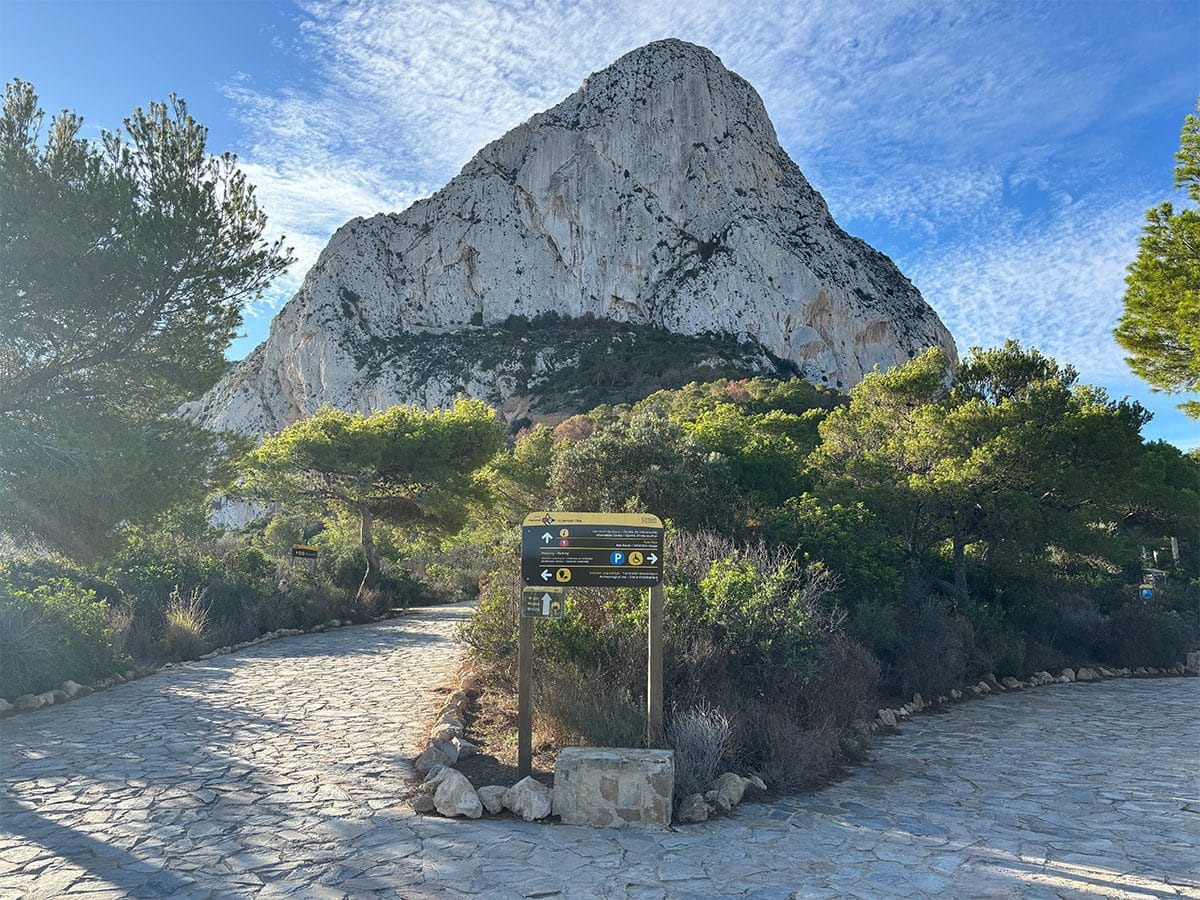
It is best known for the huge rock: Peñon de Ifach, a cliff jutting out into the Mediterranean Sea. This natural park is a place that attracts many tourists. Renting a vacation home on the Costa Blanca this summer? View a selection of vacation homes in Calpe.

👥 30,000 residents
📐 area 23.5km²
📍 64km from Alicante
Marco Bittner (Councillor of Tourism in Calpe): “Calpe must be recognized as a healthy place, both for those who visit us and for those who live here year-round. We strive for a tourism based on quality and respect for our environment, rather than just focusing on large numbers of visitors.”
Brief summary
Here you will find all the essential information about Calpe: facts & figures, history, location, neighborhoods, weather, gastronomy, all facilities and practical tips for your stay.
Page layout:
- Introduction & history
- Geography & neighborhoods
- Climate & nature
- Transportation & lodging
- Gastronomy
- Facilities


Author: Rick, more than 10 years active on the Costa Blanca. These texts are written from my own experiences and based on current sources.
Page updated on: 28 April 2026
Table of contents
ToggleGetting to know Calpe and its history
Did you know that…
- the Peñon de Ifach 332 meters high and is one of the most photographed spots in Spain;
- the Red-Yellow Steps is one of the most photographed spots in Calpe;
- Calpe is known for the pink flamingos that can be seen there in the salt lakes;
- these flamingos are pink because they eat small shrimp and algae that are rich in carotenoids, pigments that give the feathers their pink color;
- the church in the old center is the only example of a Gothic-Mudejar-style church in the entire region of Valencia.
The history in brief
- Prehistory/Old times: the area around Calpe was already inhabited in the Bronze Age. Later, the Iberians settled on strategic hills such as the Ifach and the Tossal de la Empedrola. The Phoenicians used Calpe as a trading post and contributed to agriculture. The Romans made it an important economic center, evidenced by the remains of fish processing and salt-making complexes by the sea, known as the Baños de la Reina;
- Middle Ages (8th – 13th centuries): the Moors gained the upper hand. After the reconquest by the Christians, Calpe became an important port city and because of its strategic location and the threat of pirates, the Castle of Calpe and the Torreó de la Peça (watchtower) were built to defend the coast;
- Early Modern Period:Calpe was repeatedly attacked by Barbary pirates in the 17th century, leading to further defensive works. During this period, the city developed mainly around fishing and its port;
- Modern Times (20th Century – Present): from the 1940s, Calpe transformed into a popular tourist destination on the Costa Blanca, thanks in part to its beaches, the Peñón de Ifach and its pleasant climate.
The name ‘Calpe’
The name Calpe comes from Phoenician and means“height” or“mountain.” The ancient Greeks called the place “Ifach,” which means “North” because of its geographical location in relation to the city of Alicante.
The economy & tourism in Calpe
Local employment
Although Calpe’s economy is inextricably linked to the silhouette of the Peñón de Ifach, employment drives more than just beach tourism. The enormous scale of high-rise buildings and luxury urbanizations creates constant, year-round activity in the technical construction and property management sectors. Because of the complex infrastructure, there is a continuing demand for specialized maintenance services and modernization of apartment complexes.
In addition, Calpe serves as a commercial and administrative hub for the region. The large international community provides a stable business services sector, where lawyers, gestors and multilingual consultants are essential. Healthcare is also a major employer. With the presence of several private clinics and a growing offering in home care for residents, the city structurally employs medical and support staff.
The development of the tourism industry
Calpe’s policy in 2026 focuses on its transformation into a quality destination, combining the historic vertical with sustainable growth. Marco Bittner, alderman for Tourism Promotion, articulates the resort’s new direction:
“Calpe must be recognized as a place where quality prevails over volume. We strive for a model that puts our natural culture and the well-being of its residents at the center, so that we remain a healthy destination for visitors and residents alike.”
The focus is currently on Calpe’s status as a Smart Tourist Destination. Significant investments are being made in digital innovation, such as a state-of-the-art tourist office that provides interactive information 24/7, and the redesign of public spaces around the beaches and salt lakes(Las Salinas).
In addition, the municipality actively promotes sports and gastronomic tourism. With the Peñón de Ifach as its backdrop and Calpe’s status as a cycling hub for professional teams in the winter, the city is betting on a year-round vital season. Projects such as the renewal of the Fossa promenade and cultural routes through the historic center should definitively reduce the dependence on only sun and beach.
The geography & neighborhoods in Calpe
The location of Calpe
Calpe is a popular destination on Spain’s east coast. The town is located in the heart of the Costa Blanca and belongs to the province of Alicante in the Valencia region.
The city is known for its central location among other well-known coastal towns. The landscape is defined by the coastline and a striking rock formation.
-
Region: Calpe falls under the Marina Alta country region on the Mediterranean Sea;
-
Surroundings: you will find the town exactly between the towns of Altea and Moraira;
-
Feature: the Peñón de Ifach is a 332-meter-high limestone rock that separates the port from the beaches;
-
Distances: the town is about 20 kilometers from Benidorm and 35 kilometers from Dénia.
Map Calpe Spain
Accessibility and transportation
Calpe is well connected for inland and air traffic. Its infrastructure provides a fast connection to the rest of the province.
The neighborhoods in Calpe
Calpe consists of several neighborhoods and zones, including:
- The historic center: this is the oldest part of the city, where you can still find traces of the ancient Roman settlement;
- Canuta: this neighborhood is located on the western side of Calpe, close to the port and La Fossa beach;
- La Fustera: this is a quiet residential area with villas and apartments, located between Calpe and Benissa;
- Los Pinos: this neighborhood is located on the east side of Calpe, opposite the Ifach rock and offers beautiful views of the Mediterranean Sea;
- Maryvilla: this neighborhood is located on the north side of Calpe and offers beautiful views of the bay of Calpe;
- Manzanera: this is a residential area located between the center of Calpe and the port, with beautiful views of the sea and the mountains;
- Oltamar: This neighborhood is located on a hill and offers panoramic views of the bay of Calpe;
- La Vallesa: this neighborhood is located south of Calpe, next to the AP-7 freeway. It is a quiet residential area with many villas.
The climate & nature in Calpe
A Mediterranean climate
The climate of Calpe: summers are long and hot, with temperatures often exceeding 30 degrees. Winters, on the other hand, are mild and pleasant, with average temperatures around 15 degrees.
The weather, the average temperature
Below is a table of average temperatures in Calpe by month:
| Month | Avg. daytime temperature (°C) | Avg. temperature at night (°C) | Avg. number of rainy days |
|---|---|---|---|
| January | 15 | 7 | 5 |
| February | 16 | 8 | 5 |
| March | 18 | 10 | 4 |
| April | 20 | 12 | 3 |
| May | 23 | 15 | 2 |
| June | 27 | 18 | 1 |
| July | 30 | 22 | 1 |
| August | 30 | 22 | 1 |
| September | 27 | 19 | 2 |
| October | 23 | 15 | 3 |
| November | 19 | 11 | 4 |
| December | 16 | 8 | 5 |
Nature around Calpe
The surroundings of Calpe have mountains, water and rocks. Nature is a short distance from the center.
-
Peñón de IfachNatural Park: this natural park consists of a huge limestone rock 332 meters high. You hike via a landscaped path and tunnel to the top for views of the coastline;
-
Las SalinasNature Reserve: this salt lake is located in the center of the city. Groups of flamingos and herons live in this wetland area, which you watch from wooden observation points;
-
Sierra de OltaNatural Park: this mountain area is located on the north side of the city. Hiking trails pass by the chapel of San Salvador and several picnic areas;
-
Morro de Toixnature reserve: these cliffs form the border on the western side of the town. From the cliffs you overlook the bay of Altea and the Mediterranean Sea.

The gastronomy of Calpe
Culinary venues
The location where you eat determines the experience in Calpe:
-
The harbor and the fish auction: here you will eat fish that comes directly from the local auction;
-
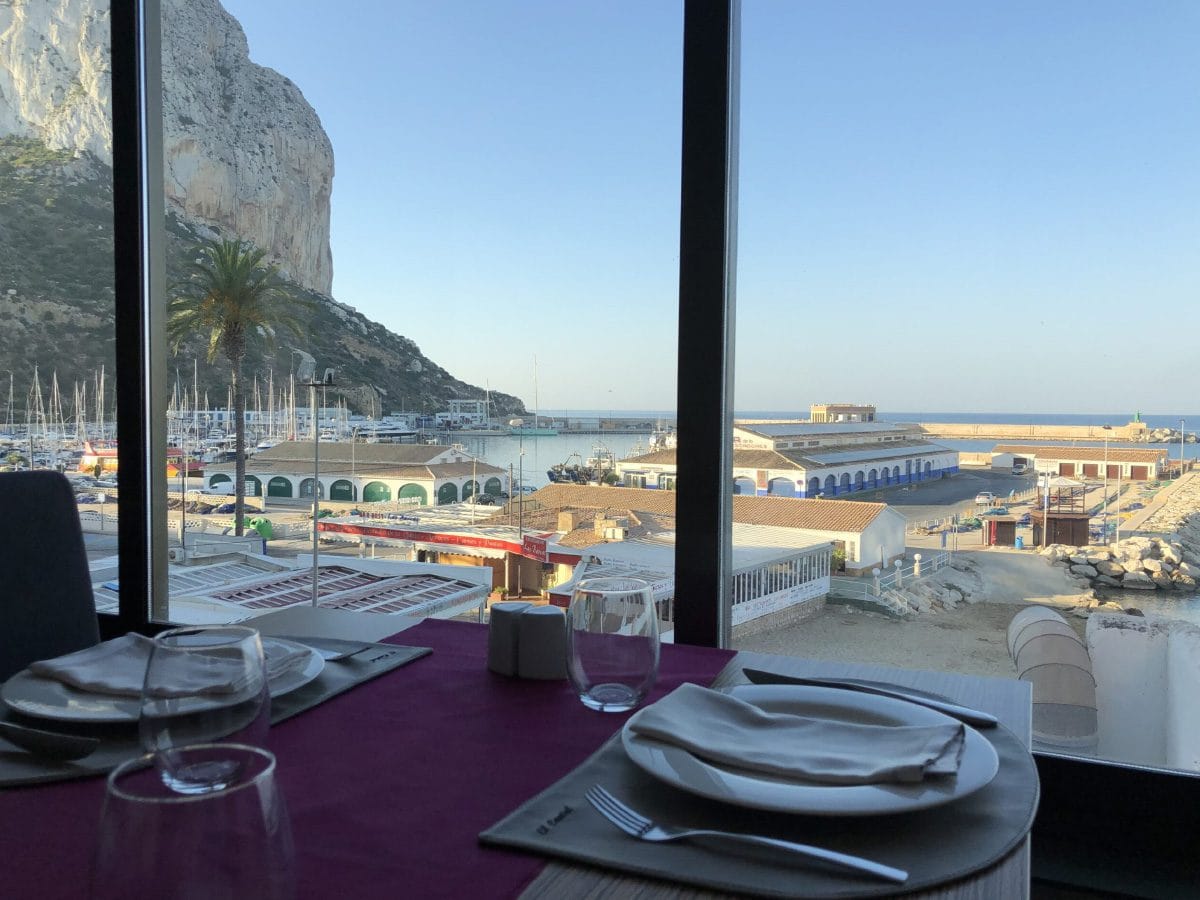
The promenade: this place offers many restaurants overlooking the Peñón de Ifach;
-
The old center: in the narrow streets you will find traditional tapas bars and local cuisines;
-
The main streets: here are several international restaurants and modern bistros.
Flavor profiles and specialties
The menus in Calpe feature a variety of local specialties:
-
Peix de Calp: this seal of quality guarantees that the fish comes fresh from local waters;
-
Rice dishes: the city specializes in fish rice such as the Arroz del Senyoret;
-
Llauna de Calp: this is a traditional dish with fish, potatoes and tomatoes from the oven;
-
Regional wines: restaurants often serve white wines and Muscat wines from the Marina Alta.
Gastronomic peculiarities
Various traditions and events promote the city’s local food culture:
-
The fish auction: you can attend the sale of the fresh catch at the port every afternoon;
-
Gastronomic events: actions such as the Peix de Calp weeks promote local products;
-
Oktoberfest: this annual festival combines German traditions with local hospitality.
Restaurants & bars in Calpe
The city has a diverse selection of restaurants and cafes serving delicious dishes from traditional Spanish cuisine to international specialties.
Calpe is a port city, so it is no surprise that fresh fish and seafood are on the menu of many restaurants. Enjoy paella, zarzuela (a rich fish stew) or grilled prawns at one of the many harbor-side restaurants. In addition to Spanish cuisine, you will also find restaurants in Calpe serving international cuisine, such as Italian, Chinese, Indian and Japanese.
The facilities in Calpe
Supermarkets in Calpe
-
Mercadona: This well-known Spanish chain has a large branch near the port and is best known for its extensive fresh fish and seafood section;
-
Lidl: a modern and spacious supermarket on Avenida de Rumania, ideal for both local and well-known international items;
-
Aldi: Located on the edge of the city center, this German price fighter is popular with visitors looking for good value for money;
-
Consum: a large regional supermarket with branches on Avenida Masnou and Avenida Juan Carlos I, offering a wide range of fresh produce;
-
Maxcoop Atena: a downtown family supermarket that specializes in imported products from the Netherlands, Belgium and Britain, among others;
-
MyMercat: a local supermarket chain with several locations in the city, including one downtown and near the coast;
-
Supermercado Spar: This store is located on Plaza Constitución and, due to its central location, is great for quick daily shopping;
-
Supermercado DIA: an accessible supermarket where you can go for basic groceries and various own brands.
Opening hours and Sundays
Most large supermarkets in Calpe are open Monday through Saturday from 9:00 a.m. to 9:30 p.m.. Unlike smaller stores, they usually do not close for siesta. On Sundays, several establishments such as the Aldi, Spar and MyMercat are open as usual.
Parking in Calpe
Calpe has plenty of parking lots. Most of them are located near the beaches. Listed below are some parking lots where you can park for free:
- Parking Calpe Subida Peñón: located on Av. Juan Carlos I, 5. Open 24/7. Good choice if you want to walk to the Peñón de Ifach or the Playa del Arenal-Bol beach. Google rating: 4.2 (46 reviews);
- Parking Públic: located at C. San Fermín, 43. Open 24/7. Free parking in the center of Calpe, but can be crowded in high season. Google rating: 4.2 (11 reviews).
There are also a number of paid parking lots:
- Parking APK2 Plaza Mayor Calpe: located at Plaça Major, Av. Valencia, s/n. Accessible 24/7. Covered parking in the center, ideal for long term parking or in bad weather. Price: €0.042 per minute, €25.20 per day. Google rating: 3.4 (33 reviews);
- Parclick: online reservation of parking spaces in various parking lots in Calpe. Booking in advance can be convenient in high season.
Tourist office in Calpe
Calpe has 4 tourist offices:
- An information point is centrally located on the coast between Playa del Arenal-Bol and Playa del Cantal Roig;
- An information point at the starting point of Playa de la Fossa;
- An information point on the “main street” right on las Salinas de Calp;
- An information point in the old center of Calpe.
Transportation & accommodation in Calpe
By plane to Calpe
Would you like to go on vacation to Calpe? Then the nearest airport is Alicante-Elche Miguel Hernández (ALC). From the airport it is about 75 kilometers to Calpe, which amounts to a drive of about 50 to 60 minutes.
From the Netherlands and Belgium, airlines such as Transavia, Vueling, Ryanair, TUI fly and easyJet fly directly to Alicante, making the destination easily accessible.
On vacation to Calpe
Calpe is a lively destination known for its iconic rock, the Peñón de Ifach, and its extensive sandy beaches. It offers an ideal combination for various types of vacations:
- Beach vacations: with wide, golden sandy beaches such as Playa de la Fossa and Arenal-Bol, Calpe is perfect for sun lovers and families. In addition, numerous smaller coves can be found for those seeking more tranquility;
- Active vacations: the Peñón de Ifach is a paradise for hikers and climbers with spectacular views as a reward. The area is also excellent for water sports such as sailing, diving and kayaking;
- Cultural and atmospheric vacations: the historic center(Casco Antiguo) offers a maze of narrow, cobbled streets, colorful mosaics and traditional Spanish restaurants, away from the hustle and bustle of the coast;
- Wintering: thanks to its mild microclimate, Calpe, like other places on the Costa Blanca, is a very popular destination for winter visitors who want to enjoy the winter sun in a lively environment.
You can opt for a package tour from a tour operator or arrange your flight and accommodation separately.
Vacation accommodation in Calpe
- Hotels: Calpe has a wide choice, from large family hotels with extensive facilities and pools right on the sandy beaches of Arenal-Bol and La Fossa to smaller, more intimate hotels in and around the old town;
- Apartments: a popular and flexible option. You will find numerous apartments with spectacular views of the sea and the Peñón de Ifach along the boulevards, as well as quieter options in the center or near the port;
- Vacation homes and villas: for groups or families seeking space and privacy, many vacation homes and villas are available in the surrounding hills and neighborhoods, often with private pools and stunning views of the coastline.
Many accommodations, especially along the beaches and downtown, are within walking distance of stores, restaurants and the sea.


My view of Calpe
A place with two faces
The beauty of Calpe are the differences between the areas separated by the rock of Calpe. You can think of this as an authentic part and a modern part.
I personally find the beaches in Calpe too crowded and too big. But I did do the climb to the top of the Peñon de Ifach. It is a beautiful but also dangerous climb. Good footwear is important and above all take it easy. The “route” contains many stones, rocks and in some places runs right along the ravine.
Personal tips:
- Eating spare ribs at grill restaurant El Toro
- Dine in the harbor and the eponymous Puerto Blanco (very atmospheric!).
- Walk from Cala Calalga along the coast toward Cala les Bassetes
All the tips for your visit to Calpe
Additional information about Calpe
Question & answer (FAQ)
Heeft Calpe een Centrum?
Ja, het centrum van Calpe ligt rondom het historisch herkenningspunt Torreó de la Peça.
Heeft Calpe een boulevard?
Ja, Calpe heeft twee boulevards. Aan de noordkant heeft Calpe de boulevard genaamd P.º Maritimo Playa del Bol. Deze boulevard met een lengte van ongeveer 2,5 km loopt vanaf Playa del Arenal-Bol tot aan bijna de haven van Calpe. Aan de westkant heeft Calpe de boulevard genaamd Partida la Fossa. Deze boulevard met een lengte van ongeveer 1,5 km loopt ongeveer vanaf de Peñon de Ifach richting het noorden tot en met Cala la Calalga.
Waar staat Calpe bekend om?
Calpe staat vooral bekend om de Peñon de Ifach. Deze 332 meter hoge rots steekt uit in de zee en is hét symbool van Calpe, en eigenlijk van de hele Costa Blanca. Je kunt de rots beklimmen voor een waanzinnig uitzicht, of er gewoon van genieten vanaf het strand.
Waar vind ik de rood-gele-trappen in Calpe?
De in de Spaanse vlag geverfde rood-gele-trappen in Calpe vind je aan de Calle Puchalt. Deze straat ligt in het oude centrum van Calpe, vlakbij het historisch herkenningspunt Torreó de la Peça. Deze trappen worden ook wel de ook wel de Spanish Flag Steps genoemd.
Handy links
- Calpe Turismo (Tourist Information)
- Calpe Wikipedia (General information)
- Spain.info Calpe (Tourist information)
Download the free Pure Costa Blanca app
All information about Calpe at hand
Do you want to be sure that you don’t miss anything from your favorite place on the Costa Blanca? Then download the free app and turn your phone into the ultimate travel guide for the entire region:
- All “website” content is available: all travel guides, blogs and other tips for restaurants, activities and Things to do, as well as accommodations;
- Easy navigation: all available information is presented clearly (by location) and you can easily navigate back and forth;
- Interactive map: explore the Costa Blanca and easily plan your routes to the most beautiful places;
- Smart place recognition: when you approach a place on the Costa Blanca, you automatically receive a notification that allows you to immediately open the travel guide for that place;
- Your favorites: you can save and easily find your favorite locations, such as restaurants.
The Pure Costa Blanca app is completely free to download and use. Start planning your perfect trip today!


Publication date:
9 May 2023
Updated on:
28 April 2026
Page updated on: 28 April 2026
Comments on this page:

Your signpost on the Costa Blanca
Hi! My name is Rick, initiator of CostaBlanca.nl and the free App. Since 2015 I can be found on the Costa Blanca on a monthly basis.
With this online platform I make as much as possible relevant information and tips about places on the Costa Blanca insightful and clear. The texts are exclusively written by myself. The photos and videos are made by me.
Learn more about collaborative opportunities.