All about Jávea, general & practical information
Jávea (in Spanish), Xàbia (in Valencian) is a town on the Costa Blanca in Spain. It lies between Valencia and Alicante and in the extension of the Montgó Massif, a mountain with a perimeter that stretches for kilometers.
As a result, the place is surrounded by beautiful nature and it offers a breathtaking view of the Mediterranean Sea. You can divide Jávea into 3 parts: El Pueblo (the old village), El Puerto (the port) and Arenal (the beach).

👥 27,500 inhabitants
📐 Area 70km²
📍 85km from Alicante
Rosa Cardona (mayor of Jávea): “Tourism must adapt to the village and not the other way around. We want the people who come to Jávea to admire us and care for us in the same way we do. It’s about the tourist feeling like a guest and the resident not feeling crowded out by the masses.”
Brief summary
All essential information about Jávea: facts & figures, history, location, neighborhoods, weather, gastronomy, all facilities and practical tips for your stay.
Page layout:
- Introduction & history
- Geography & neighborhoods
- Climate & nature
- Transportation & lodging
- Gastronomy
- Facilities

Author: Rick, more than 10 years active on the Costa Blanca. These texts are written from my own experiences and based on current sources.
Page updated on: 19 April 2026
Table of contents
ToggleGetting to know Jávea and its history
Did you know that…
- Jávea is the oldest known Roman location on the Spanish coast with a commercial port for fish and minerals, dating from the 2nd century BC;
- Jávea used to have walls to protect itself against pirate raids in the 16th and 17th centuries;
- archaeologists in 2021 found a treasure of 1500-year-old gold Roman coins in Jávea;
- on a clear day from Jávea you can see the island of Ibiza, which is about 90 kilometers away;
- the Montgó, the mountain that protects Jávea, is more than 750 meters high?
- the port of Jávea was an important export port for raisins in the 19th century;
- the church Mare de Déu de Loreto in the port of Jávea is built in the shape of an oval ship’s keel;
- the famous fashion designer Cristóbal Balenciaga lived in Jávea.
Example advertisement
Your holiday home in the spotlight? 📸
You get an exclusive position that makes you stand out immediately. Build trust with thousands of Dutch-speaking holidaymakers who are specifically looking for a holiday stay in Jávea.
The history in brief
-
Prehistory and antiquity: the first human settlements arose in the vicinity of the present village as early as prehistory. During the Roman period, the site was known as Amanuntia;
-
Middle Ages: the Moors conquered the area and gave the place the name Xàbia. The influences of this period are still visible in the structure of the old core;
-
19th century: the region developed into an international center for the raisin trade. This industry was the main source of income and stimulated the local economy considerably;
-
Modern times: the place grew into a popular tourist destination while maintaining its authentic character. Many historical buildings and monuments today recall the village’s rich past.
The name ‘Jávea’
The origin of the name ‘Jávea’ is not entirely certain, but there are several theories about it. One theory is that the name is derived from the Arabic word ‘Xábia’, which means ‘shelter’.
Another theory is that it comes from the word ‘Gebiar’, which means ‘coast’ in Iberian. Finally, there is also a theory that the name comes from the Latin word ‘Lacobriga’, which means “port city.”

The economy & tourism in Jávea
Local employment
Although Jávea’s economy is strongly linked to the coast, employment rests on more than just vacation visitors. The presence of a very large international community of residents – particularly from the UK and Benelux countries – creates a constant demand for specialized services. As a result, there is year-round work in business services, construction and real estate, which in Jávea is among the most exclusive on the Costa Blanca.
In addition, Jávea has developed into a regional center for the maritime sector and creative industries. The port and the various shipyards provide structural employment for technical staff and water sports professionals. The rise of digital nomads also contributes to local stability, with highly skilled professionals using the city as their permanent base, supporting the local hospitality and retail industries even in the off-season.
The development of the tourism industry
Jávea’s policy deliberately focuses on the higher end and sustainable growth that ensures livability for residents. Rosa Cardona, mayor and currently in charge of Tourism, highlights the resort’s course for 2026:
“Jávea must not fall victim to its own success. Our priority is to protect our natural treasures, such as the bays, while using technology to restore the balance between residents and visitors.”
The focus is currently on retaining the designation Smart Tourist Destination. Significant investment is being made in digital systems to regulate access to popular sites such as Cala Granadella and Portitxol through real-time monitoring and reservations.
In addition, the municipality actively promotes cultural-historical tourism in the old town and hiking activities around Montgó. This strategy should ensure that Jávea remains a quality and vital destination beyond the summer months.
The geography & neighborhoods in Jávea
The location of Jávea
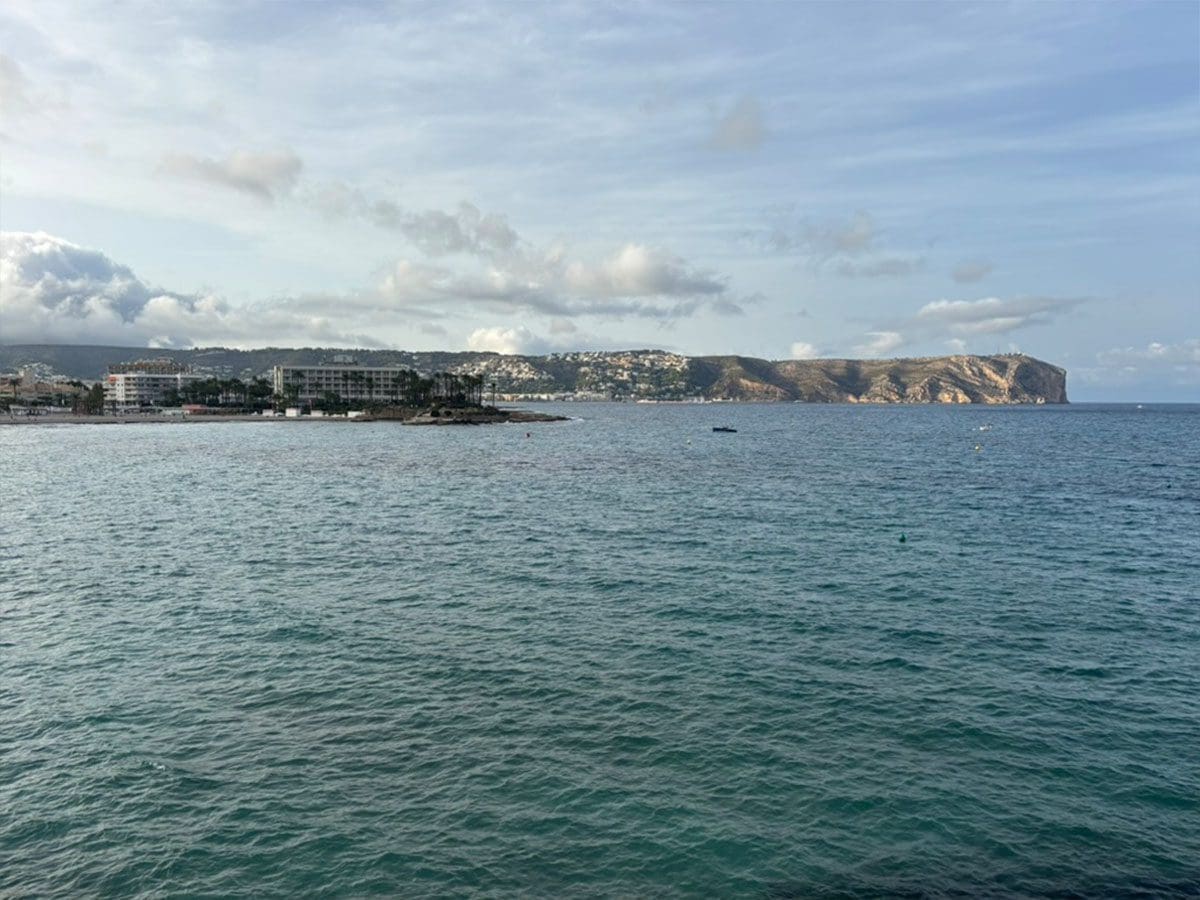
Jávea is located in the northern part of the Costa Blanca between the capes Cabo de San Antonio and Cabo de la Nao. It is located at the foot of the Montgó massif, which protects the town from cold winds from the north.
The area is characterized by a varied coastline with sandy beaches, hidden coves and steep cliffs. Due to its location in a wide bay, the place offers wide views of the Mediterranean Sea and a pleasant microclimate.

The accessibility of Jávea
The seaside town is easily accessible via the AP-7 freeway and the N-332 national road, which connect it to the rest of the region. From both Alicante and Valencia airports, travel time is about 75 to 90 minutes by car.
Within the region, scheduled buses connect Jávea with nearby towns such as Dénia and Ondara. For travelers using the TRAM Metropolitano, the nearest station is in neighboring Gata de Gorgos, from where there are regular bus connections to the center of Jávea.
Map Jávea Spain
position: relative;
padding-bottom: 50%; /* Dit bepaalt de hoogte/verhouding */
height: 0;
overflow: hidden;
}
.google-maps iframe {
position: absolute;
top: 0;
left: 0;
width: 100% !important;
height: 100% !important;
border: 0;
}
The neighborhoods in Jávea
- Aduanas del Mar: this neighborhood is located on the coast and has a beautiful harbor with a boardwalk where you can walk along the boats and enjoy the view of the sea;
- Playa del Arenal: the big bay Playa del Arenal is the most popular beach where you can swim and enjoy the sun. This place has several nice restaurants and bars where you can enjoy delicious Spanish cuisine and a drink;
- Tosalet: an exclusive residential area with beautiful villas and lush gardens. It is close to El Arenal beach and has beautiful views of the sea;
- Montgó: This neighborhood is located at the foot of Mount Montgó and is surrounded by nature. There are many hiking trails and biking routes in the area;
- Pueblo: the historic center of Jávea with narrow streets and white-painted houses. There are many cozy little squares, stores and restaurants;
- Portichol: this neighborhood is located on the coast and has a small beach and a beautiful view of the sea. It is a quiet and relaxing place;
- La Guardia: a neighborhood located on the north side of Jávea with panoramic views of the sea. There are many luxurious villas and it is an exclusive residential area;
- Cap de la Nau: Located in the east of Jávea, this neighborhood has a beautiful cliff coast with spectacular views of the sea and coastline. There are some restaurants and bars along the coast;
- Balcon al Mar: also located on a cliff with beautiful views of the sea. There are many villas and it is a quiet and peaceful neighborhood;
- Costa Nova: This neighborhood is located in the west of Jávea and has beautiful views of both the mountains and the sea. It is a quiet and pleasant place to live.
Example advertisement

Your real estate agency in the spotlight? 📸
You get an exclusive position that makes you stand out immediately. Gain the trust of thousands of Dutch-speaking vacationers who are specifically looking for a real estate agent in the Jávea area.
The climate & nature in Jávea
A Mediterranean climate
Jávea enjoys a Mediterranean climate with warm, dry summers and mild, wet winters. Average temperatures range from 16°C in winter to 30-31°C in summer.
Spring and autumn are pleasant seasons with average temperatures between 18°C and 28°C. Rainfall in these seasons is moderate, with 4 to 6 rainy days per month. Overall, Jávea is a sunny destination with pleasant temperatures throughout the year, ideal for outdoor activities and relaxation.
The weather, the average temperature
Below is a table showing the average temperatures in Jávea per month:
| Month | Avg. daytime temperature (°C) | Avg. temperature at night (°C) | Avg. number of rainy days |
|---|---|---|---|
| January | 16 | 6 | 8 |
| February | 16 | 7 | 7 |
| March | 18 | 8 | 6 |
| April | 21 | 10 | 5 |
| May | 24 | 13 | 4 |
| June | 27 | 17 | 2 |
| July | 30 | 20 | 1 |
| August | 31 | 21 | 2 |
| September | 28 | 18 | 4 |
| October | 23 | 14 | 7 |
| November | 20 | 10 | 8 |
| December | 16 | 7 | 8 |
The nature around Jávea
Jávea is a true oasis for nature lovers. The combination of the Mediterranean Sea, green mountains and rock formations creates a breathtaking landscape.
The Montgó Massif is an unmissable mountain range on the Costa Blanca. This area is a paradise for nature lovers. With its impressive altitude, unique flora and fauna and numerous hiking trails, this mountain attracts thousands of visitors every year.
The Montgó massif, with an altitude of 753 meters a prominent landmark. The dominates the skyline of both Dénia and Jávea. Its steep cliffs and deep ravines offer breathtaking views of the Mediterranean Sea and surrounding villages.
The Montgó is one of the most important nature reserves in Spain and is known for its great biodiversity. Thanks to the varied climate and unique geological composition, numerous plant and animal species occur here that you will not find anywhere else.
- Flora: The Montgó is home to a wide variety of Mediterranean plants, including pine trees, holm oaks, juniper bushes and several species of orchids;
- Fauna: the nature park is home to numerous bird species, such as the peregrine falcon and the spotted woodpecker. There are also various reptiles and mammals, such as lizards, snakes and wild cats.

The gastronomy of Jávea
Gastronomy in Jávea offers a diverse mix of Mediterranean cuisine and international influences. The menu reflects the seaside location and local culture of Marina Alta.
Culinary venues
Most eateries in Jávea are located in three different zones, each with its own atmosphere:
-
The port (Puerto): restaurants right on the quay where fish fresh from the auction is on the menu;
-
The promenade (El Arenal): a lively location with a wide variety of international cuisines and terraces on the sandy beach;
-
The historic center (Pueblo): authentic eateries and tapas bars among the narrow streets and historic buildings.
Flavor profiles and specialties
The local cuisine makes full use of fresh produce from the region and the Mediterranean Sea:
-
Fresh fish and seafood: daily landings from its own fishing fleet, with the region’s red shrimp being its most famous specialty;
-
Rice dishes: local classics such as Paella Valenciana or Arroz a Banda, often prepared with ingredients from the surrounding farmlands;
-
International flavors: a wide range of quality restaurants due to the presence of many international residents and visitors;
-
Local products: the use of local almonds, olives and wines from the nearby hinterland.
Restaurants in Jávea
Jávea has many restaurants. Most restaurants in Jávea are located on the long beach Playa de la Grava and in the bay Playa de Arenal. In this bay you can easily leave the beach for lunch or dinner.
The facilities in Jávea
Supermarkets in Jávea
Unfortunately, you will not find any Dutch supermarkets in Jávea. Although Jávea is a popular destination for Dutch tourists, the supermarkets there are adapted to the Spanish market. You will mainly find Spanish brands and products there.
Jávea has about 15 supermarkets of which you will find 3 relatively close to the port, 4 around the Playa de Arenal and the remaining parallel to the beach towards and in the center of Jávea.
Parking in Jávea
Finding a parking space in Jávea can sometimes be a challenge, especially during the busier months. Below you will find an overview of the best parking options in Jávea:
Free parking:
- Outside the center: most free parking can be found outside the center of Jávea, often along the outskirts of town or near beaches. Do pay attention to the signs, as parking duration restrictions may apply;
- On-street parking: in some downtown side streets, you can sometimes get lucky and find a free parking space. However, this often requires some patience and driving around.
Paid Parking:
- Parking garages: there are a number of parking garages in Jávea, for example near Arenal beach and in the center. These are generally covered and offer a safe place for your car;
- Parking meters: there are parking meters in many places in the city center and along the coast. The rates and maximum parking duration may vary by location.
Tourist office in Jávea
Jávea has 3 tourist offices.
- An information point in the center of Jávea;
- An information point on the coast, near the port of Jávea;
- An information point in the bay at Playa el Arenal.
Transportation and your stay in Jávea
By plane to Jávea
Do you want to go on holiday to Jávea? Then you have two excellent options. The nearest airport is Alicante-Elche Miguel Hernández (ALC). From this airport it is approximately 100 kilometers to Jávea, which is approximately a 1 hour and 10 minute drive.
A good alternative is the airport of Valencia (VLC), approximately 115 kilometers away. The travel time by car from here is approximately 1 hour and 20 minutes.
From the Netherlands and Belgium, airlines such as Transavia, KLM, Vueling, Ryanair and TUI fly directly to both airports, making the destination easily accessible.
Example advertisement
Your holiday home in the spotlight? 📸
You get an exclusive position that makes you stand out immediately. Build trust with thousands of Dutch-speaking holidaymakers who are specifically looking for a holiday stay in Jávea.
On holiday to Jávea
Jávea is a diverse destination known for its beautiful nature and the clear separation between its three cores (the Old Town, the Port and Arenal beach). It offers a unique mix for various types of vacations:
- Beach vacations: the coastline ranges from the wide sandy beach(Playa del Arenal) with its promenade to picturesque coves with pebble beaches and clear waters, ideal for snorkeling and swimming;
- Active vacations: the area is dominated by the Montgó Natural Park, perfect for hiking. In addition, the coast is ideal for water sports such as kayaking, diving and paddle-surfing, and the region is popular with cyclists;
- Atmospheric vacations: the historic center with its narrow streets and authentic fishing port offer plenty of atmosphere, culture and good restaurants, apart from the busier beach area;
- Wintering: thanks to its mild microclimate, Jávea, like other places on the Costa Blanca, is a very popular place for winter visitors looking for a pleasant environment.
You can opt for a package tour from a tour operator or arrange your flight and accommodation separately.
Holiday stay in Jávea
- Hotels: Jávea offers several hotels, including the Parador by the sea, boutique hotels in the old town and hotels near the port and Arenal beach;
- Apartments: a popular choice for more flexibility. You’ll find a wide range of apartment complexes (often with pools) near Arenal beach and port;
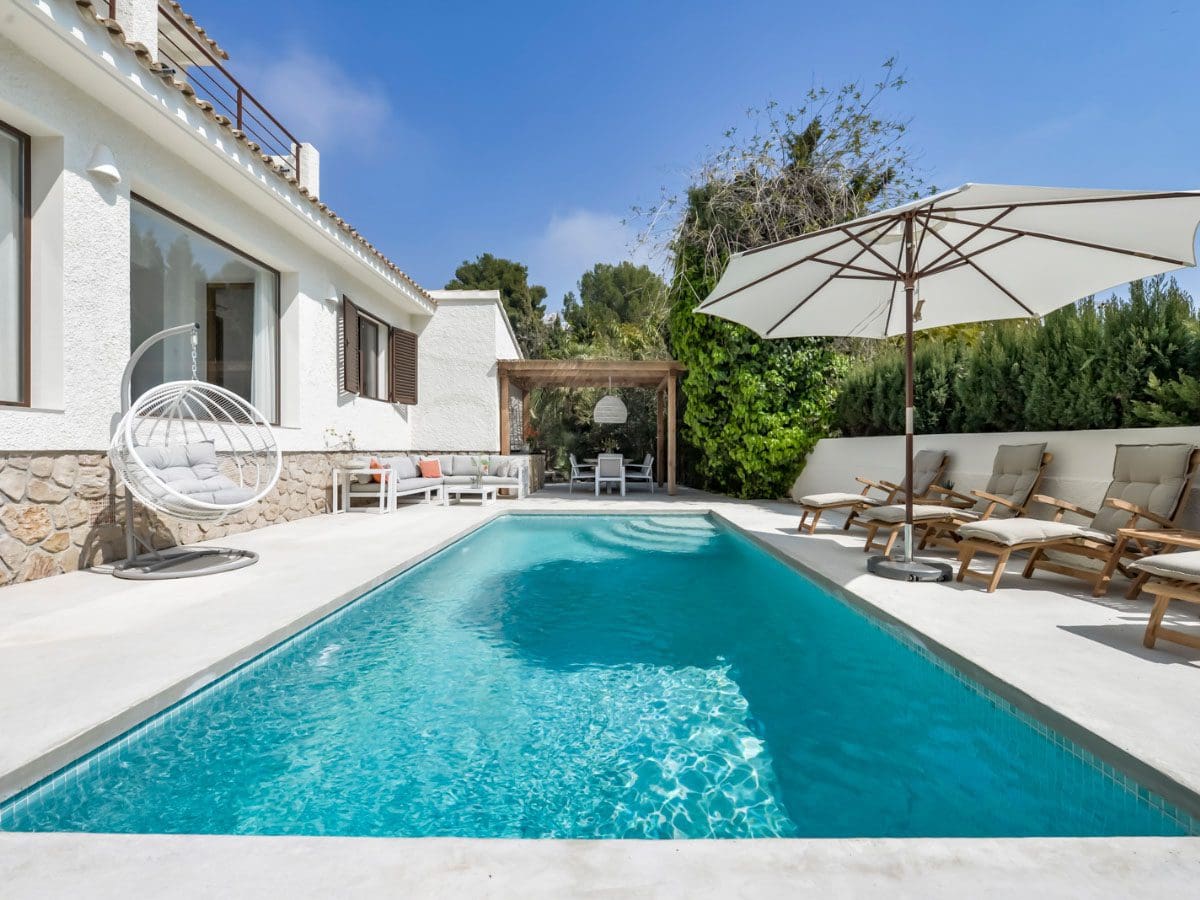
- Vacation homes and villas: for maximum space and privacy, there are numerous vacation homes and luxury villas for rent in the surrounding hills and urbanizations, almost always with a private pool and often with stunning views of the bay.
Since the three zones of Jávea(Arenal, Port and Old Town) are relatively far apart, a (rental) car is recommended to easily explore the different areas and the surrounding bays.
All the tips for your visit to Jávea
Additional information about Jávea
Question & answer (FAQ)
Waar ligt Jávea?
Jávea ligt tussen de bergen in het noorden van de Costa Blanca. Het grenst aan Dénia in het noorden, het Montgó gebergte in het westen, Benitachell in het zuiden en de Middellandse Zee in het oosten, met stranden als Playa del Arenal en Cala Granadella.
Wat is het centrum van Jávea?
Jávea kent twee centra:
Het historische centrum (Xàbia Histórica): dit is het oorspronkelijke centrum van Jávea, een paar kilometer landinwaarts. Hier vind je bezienswaardigheden zoals de 16e-eeuwse kerk Iglesia de San Bartolomé en het archeologisch museum Soler Blasco. Ook zijn er leuke winkeltjes, boetiekjes en restaurants te vinden. Elke donderdag is er een gezellige markt in het historische centrum.
El Arenal: dit is het toeristische centrum aan het strand van Jávea. Hier vind je de meeste hotels, restaurants, bars en winkels. Het is een levendige plek met een lange boulevard (Paseo del Tenista David Ferrer) waar je heerlijk kunt wandelen, fietsen of iets drinken op een terrasje. Het strand van El Arenal is een breed zandstrand met palmbomen.
Heeft Jávea een boulevard?
Ja, Jávea heeft een boulevard. Die vind je bij het strand van El Arenal. De boulevard heet officieel Paseo del Tenista David Ferrer, vernoemd naar de bekende tennisser die uit Jávea komt. Het is een levendige plek met palmbomen waar je heerlijk kunt wandelen, fietsen of iets drinken op een terrasje met uitzicht op zee. Je vindt er allerlei restaurants, bars en winkeltjes.
Wat is Bahia de Jávea?
Bahia de Jávea is de naam van de baai waar de stad aan ligt. Het gebied bestrijkt bijna het gehele gedeelte langs de baai van Jávea.
Waar ligt de Montgó?
De Montgó is een imposant bergmassief dat direct ten westen van Jávea ligt. Het is een echt herkenningspunt in de omgeving en je kunt het vanuit veel plekken in Jávea zien liggen. De berg is 753 meter hoog en vormt een natuurlijke grens tussen Jávea en Dénia. Het is een prachtig natuurpark met veel wandelroutes, dus als je van wandelen en mooie uitzichten houdt, is een bezoek aan de Montgó zeker aan te raden!
Handy links
- Visit Jávea (Tourist information)
- Jávea Wikipedia (General information)
- Spain.info Jávea (Tourist information)
Download the free Pure Costa Blanca app
All information about Jávea at hand
Do you want to be sure that you don’t miss anything from your favorite place on the Costa Blanca? Then download the free app and turn your phone into the ultimate travel guide for the entire region:
- All “website” content is available: all travel guides, blogs and other tips for restaurants, activities and Things to do, as well as accommodations;
- Easy navigation: all available information is presented clearly (by location) and you can easily navigate back and forth;
- Interactive map: explore the Costa Blanca and easily plan your routes to the most beautiful places;
- Smart place recognition: when you approach a place on the Costa Blanca, you automatically receive a notification that allows you to immediately open the travel guide for that place;
- Your favorites: you can save and easily find your favorite locations, such as restaurants.
The Pure Costa Blanca app is completely free to download and use. Start planning your perfect trip today!


Publication date:
22 October 2022
Updated on:
19 April 2026
Page updated on: 19 April 2026
Comments on this page:

Your signpost on the Costa Blanca
Hi! My name is Rick, initiator of CostaBlanca.nl and the free App. Since 2015 I can be found on the Costa Blanca on a monthly basis.
With this online platform I make as much as possible relevant information and tips about places on the Costa Blanca insightful and clear. The texts are exclusively written by myself. The photos and videos are made by me.
Learn more about collaborative opportunities.